Climb Mount Kilimanjaro With a Local Tanzania Team
Discover the beauty and challenge of climbing Mount Kilimanjaro, Africa's highest mountain. Explore our trekking packages, compare climbing routes and prepare for your journey to Uhuru Peak at 5,895 metres above sea level.
Whether you prefer the scenic Lemosho Route, the popular Machame Route, the hut accommodation on Marangu or the quieter northern approach, we can help you choose an itinerary that suits your experience and available days.
A Journey Through Africa's Highest Mountain
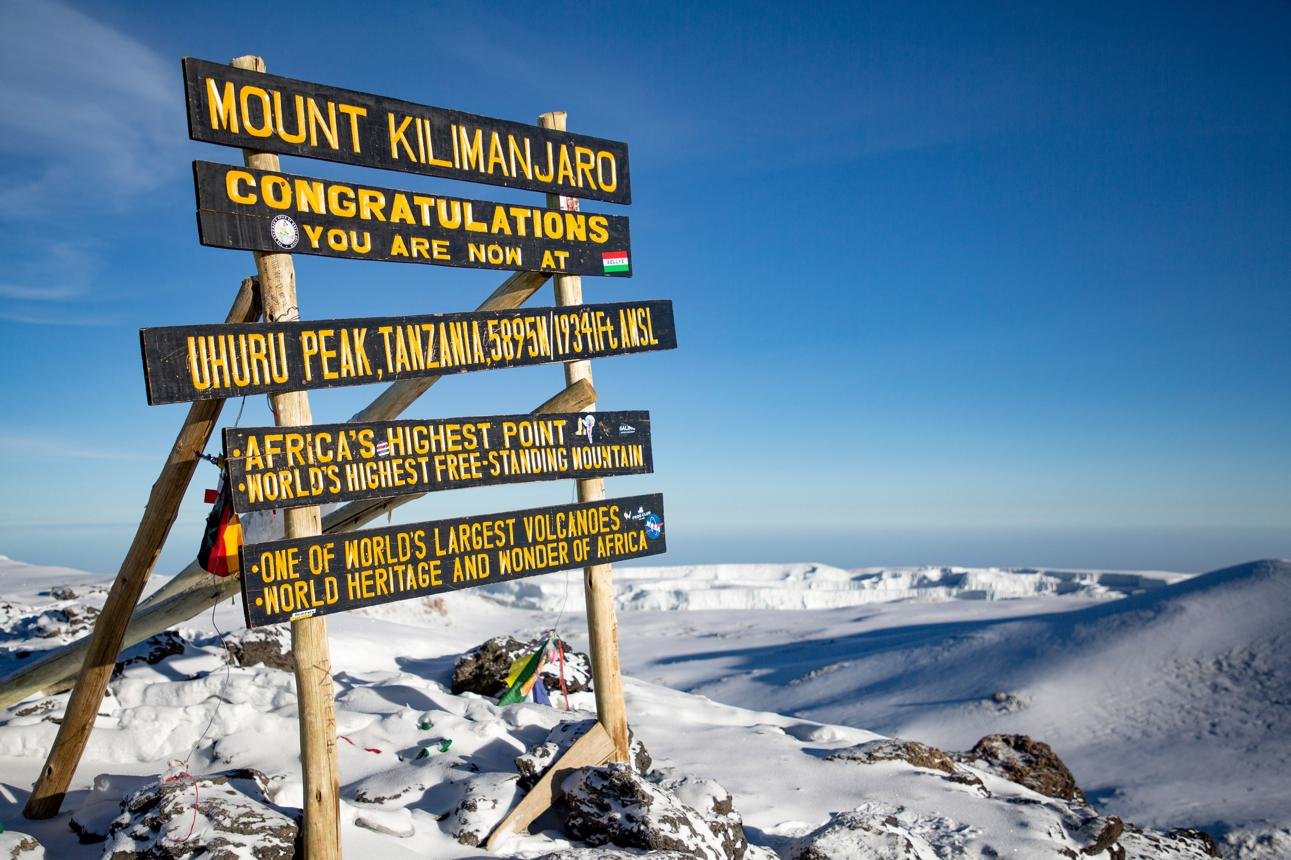
Mount Kilimanjaro is one of Tanzania's most remarkable natural attractions. Standing at 5,895 metres, it is Africa's highest mountain and the world's tallest free-standing mountain. Its highest point, Uhuru Peak, is located on Kibo, one of the mountain's three volcanic cones.
Climbing Kilimanjaro is a trekking experience that takes you through changing landscapes and weather conditions. The lower slopes are covered by green mountain forests, while the higher sections feature moorland, rocky alpine desert and the cold summit environment.
Unlike many major mountain expeditions, the standard Kilimanjaro trekking routes do not normally require technical climbing skills. However, the mountain should never be underestimated. The altitude, long walking days, changing temperatures and demanding summit ascent require careful preparation.
At African Fauna Odyssey Safaris, we help travellers explore different Kilimanjaro climbing itineraries. We explain the route options, recommended climbing durations, accommodation arrangements and important preparations before the trip begins.
Our climbing packages range from six to eight days and include routes suitable for different trekking preferences. If you are unsure which route to choose, our team can help you compare the options before booking.
Important: Reaching the summit is never guaranteed. Weather, fitness, acclimatisation and individual health all affect a climber's experience. Safety should always come before reaching the summit.
Why Climb Mount Kilimanjaro?
Kilimanjaro offers much more than reaching the highest point in Africa. The mountain provides a chance to experience changing natural environments, challenging trekking days and beautiful views across northern Tanzania.
Reach Africa's Highest Peak
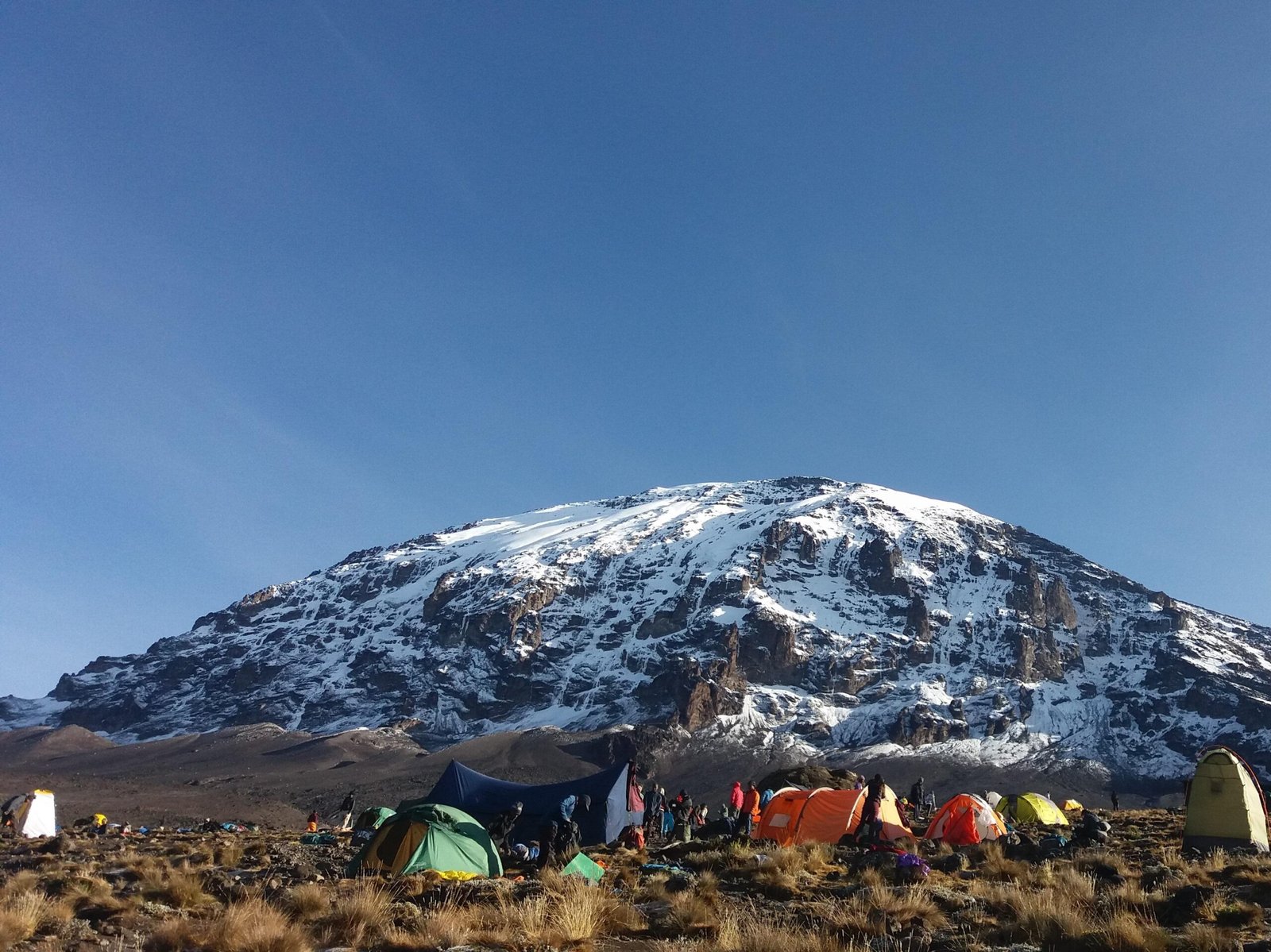
Uhuru Peak stands at 5,895 metres above sea level. For many trekkers, reaching the summit is a personal goal that requires preparation, patience and determination.
Explore Different Landscapes
Experience mountain forests, open moorland, rocky slopes and the alpine summit environment. The scenery changes significantly as you gain elevation.
A Remarkable Trekking Challenge
Kilimanjaro offers a demanding trekking experience without the technical requirements of many other high mountains. Good physical preparation remains essential.
Beautiful Mountain Photography
Photograph the changing vegetation, mountain ridges, dramatic cloud formations and high-altitude landscapes along your climbing route.
Experience Mountain Teamwork
A Kilimanjaro climb involves cooperation between trekkers, mountain guides, cooks and porters. The support team plays an important role throughout the expedition.
Combine Climbing With a Safari
After descending Kilimanjaro, you can extend your Tanzania holiday with wildlife safaris to Serengeti, Ngorongoro, Tarangire or other destinations.
Explore Our Kilimanjaro Climbing Routes
Compare six Kilimanjaro trekking packages offered by African Fauna Odyssey Safaris. Each route has its own approach, scenery, walking conditions and accommodation arrangements. Open any package to see a suggested day-by-day itinerary, pricing information and typical inclusions. Request a personalised quote for your preferred dates.
 Extended Acclimatisation
8 Days Lemosho Route
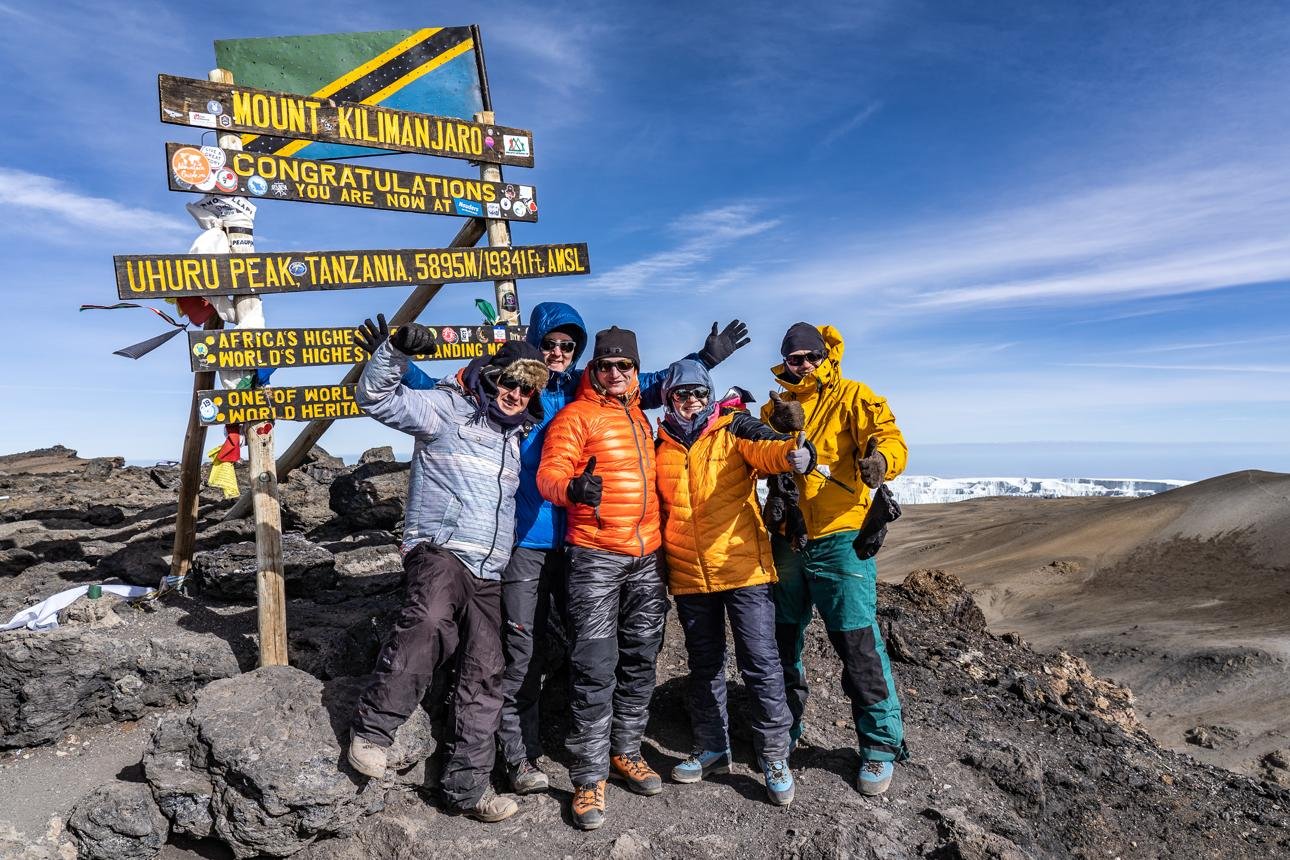
The Lemosho Route approaches Kilimanjaro from the west and is known for its varied scenery and gradual acclimatisation profile. The route passes through forest, the Shira Plateau and the southern circuit before the summit ascent.
An eight-day itinerary gives climbers additional time to adjust to the increasing altitude. This makes Lemosho an attractive option for travellers who can spend more days on the mountain.
View 8-Day Suggested Itinerary
- Day 1: Londorossi Gate to Mti Mkubwa Camp
- Day 2: Trek to Shira 1 Camp
- Day 3: Cross Shira Plateau to Shira 2 Camp
- Day 4: Acclimatisation walk via Lava Tower to Barranco Camp
- Day 5: Cross Barranco Wall to Karanga Camp
- Day 6: Continue to Barafu Camp and prepare for summit
- Day 7: Summit attempt via Stella Point to Uhuru Peak; descend to Mweka Camp
- Day 8: Descend to Mweka Gate and transfer back
Suggested route outline only. Camp arrangements, walking times and daily stages must be confirmed before booking.
Typical Inclusions & Exclusions
Usually included, subject to your quote: Mountain guide team, porters, cook, park and camping/hut fees, mountain meals, tents or huts as applicable, and route transfers.
Usually excluded, unless stated: International flights, visas, travel insurance, personal equipment, tips, drinks outside the trek and additional hotel nights.
Mountain Hut Accommodation
6 Days Marangu Route
Marangu is one of Kilimanjaro's established trekking routes and is particularly known for its mountain hut accommodation.
The trail passes through rainforest and moorland before reaching the higher alpine sections. The six-day itinerary generally includes an additional acclimatisation day compared with the shorter five-day option.
Marangu is worth considering if you prefer sleeping in shared mountain huts rather than tents. However, the relatively short itinerary still requires careful attention to altitude.
View 6-Day Suggested Itinerary
- Day 1: Marangu Gate to Mandara Hut
- Day 2: Trek to Horombo Hut
- Day 3: Acclimatisation walk near Zebra Rocks; return to Horombo Hut
- Day 4: Ascend to Kibo Hut and rest before summit
- Day 5: Summit attempt via Gilman’s Point to Uhuru Peak; descend to Horombo Hut
- Day 6: Descend via Mandara to Marangu Gate
Suggested route outline only. Camp arrangements, walking times and daily stages must be confirmed before booking.
Typical Inclusions & Exclusions
Usually included, subject to your quote: Mountain guide team, porters, cook, park and camping/hut fees, mountain meals, tents or huts as applicable, and route transfers.
Usually excluded, unless stated: International flights, visas, travel insurance, personal equipment, tips, drinks outside the trek and additional hotel nights.
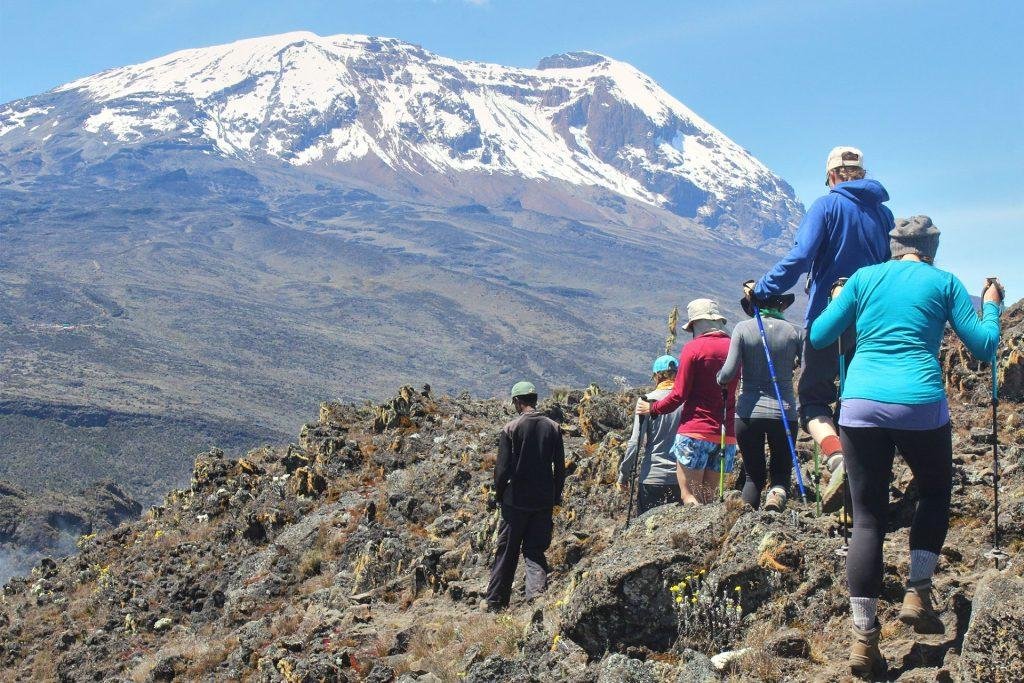 Popular Scenic Route
7 Days Machame Route
The Machame Route is popular for its varied scenery and interesting trekking terrain. It approaches the mountain from the south and crosses several distinctive landscapes.
Highlights can include the Shira Plateau, Lava Tower area, Barranco Wall and the southern slopes of Kilimanjaro.
A seven-day itinerary provides more time for acclimatisation than shorter Machame schedules. It is suitable for travellers seeking a scenic and physically demanding trekking route.
View 7-Day Suggested Itinerary
- Day 1: Machame Gate to Machame Camp
- Day 2: Trek to Shira Camp
- Day 3: Walk via Lava Tower and descend to Barranco Camp
- Day 4: Cross Barranco Wall to Karanga Camp
- Day 5: Trek to Barafu Camp
- Day 6: Summit attempt to Uhuru Peak; descend to Mweka Camp
- Day 7: Descend to Mweka Gate
Suggested route outline only. Camp arrangements, walking times and daily stages must be confirmed before booking.
Typical Inclusions & Exclusions
Usually included, subject to your quote: Mountain guide team, porters, cook, park and camping/hut fees, mountain meals, tents or huts as applicable, and route transfers.
Usually excluded, unless stated: International flights, visas, travel insurance, personal equipment, tips, drinks outside the trek and additional hotel nights.
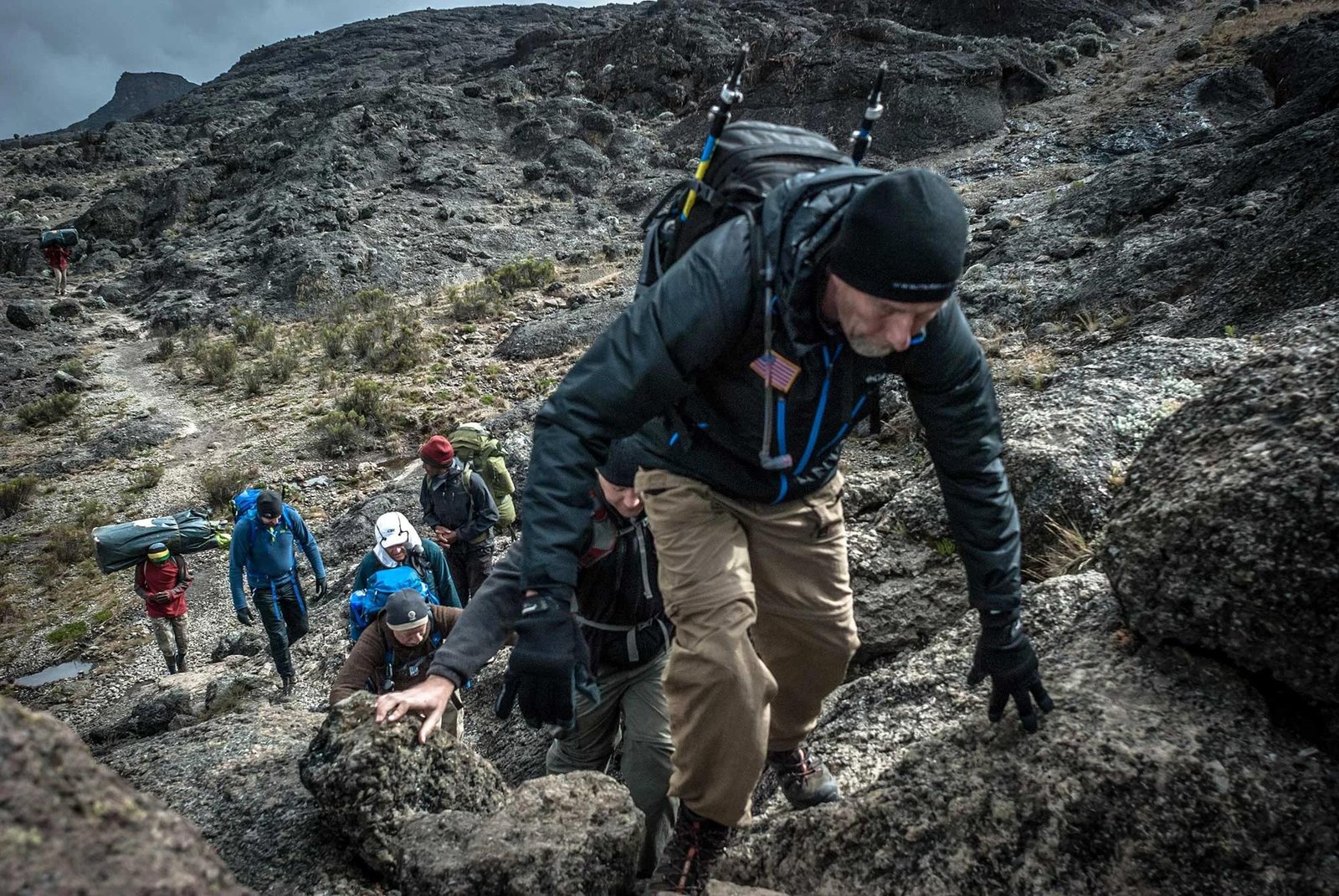 Northern Approach
7 Days Rongai Route
Rongai approaches Mount Kilimanjaro from the northern side, close to the Kenya border. The route offers a different perspective of the mountain compared with the southern trails.
Its early sections are often quieter than the popular Machame approach. The seven-day itinerary allows additional time for acclimatisation.
Rongai can be an interesting option for travellers who prefer a northern approach and want to experience different landscapes.
View 7-Day Suggested Itinerary
- Day 1: Rongai Gate to Simba Camp
- Day 2: Trek to Second Cave Camp
- Day 3: Continue to Kikelewa Camp
- Day 4: Ascend to Mawenzi Tarn Hut
- Day 5: Cross the saddle to Kibo Hut
- Day 6: Summit attempt to Uhuru Peak; descend to Horombo Hut
- Day 7: Descend to Marangu Gate
Suggested route outline only. Camp arrangements, walking times and daily stages must be confirmed before booking.
Typical Inclusions & Exclusions
Usually included, subject to your quote: Mountain guide team, porters, cook, park and camping/hut fees, mountain meals, tents or huts as applicable, and route transfers.
Usually excluded, unless stated: International flights, visas, travel insurance, personal equipment, tips, drinks outside the trek and additional hotel nights.
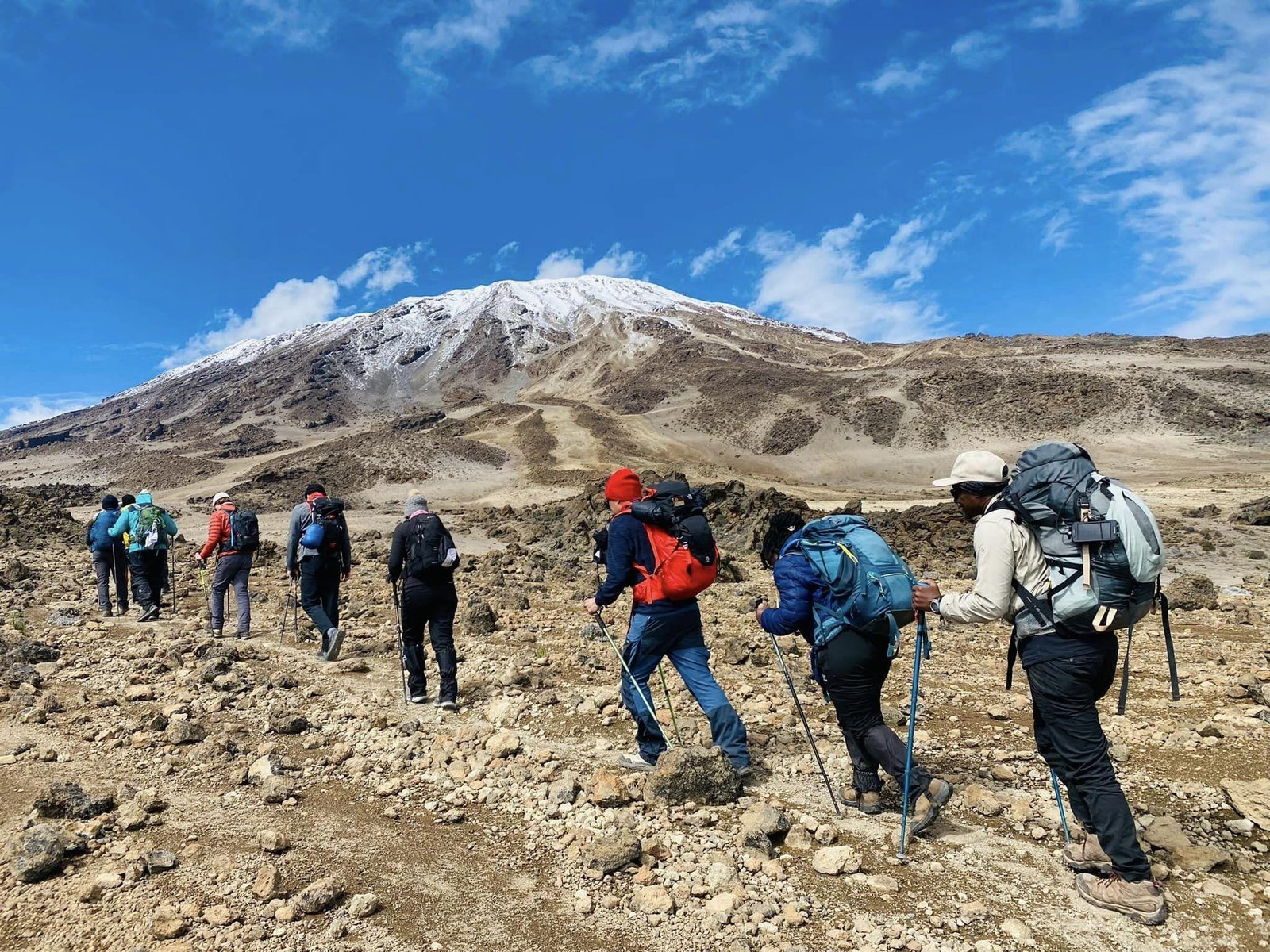 Steep & Demanding
7 Days Umbwe Route
The Umbwe Route is known for its steep and demanding ascent through the southern slopes of Kilimanjaro. It is generally considered one of the more challenging trekking approaches.
The route gains elevation relatively quickly, making altitude management especially important.
Our seven-day Umbwe package is worth discussing if you have strong trekking fitness and previous high-altitude experience. The route should be selected carefully rather than simply because it is less commonly used.
View 7-Day Suggested Itinerary
- Day 1: Umbwe Gate to Umbwe Cave Camp
- Day 2: Steep ascent to Barranco Camp
- Day 3: Cross Barranco Wall to Karanga Camp
- Day 4: Acclimatisation walk near Karanga; overnight at Karanga Camp
- Day 5: Ascend to Barafu Camp
- Day 6: Summit attempt to Uhuru Peak; descend to Mweka Camp
- Day 7: Descend to Mweka Gate
Suggested route outline only. Camp arrangements, walking times and daily stages must be confirmed before booking.
Typical Inclusions & Exclusions
Usually included, subject to your quote: Mountain guide team, porters, cook, park and camping/hut fees, mountain meals, tents or huts as applicable, and route transfers.
Usually excluded, unless stated: International flights, visas, travel insurance, personal equipment, tips, drinks outside the trek and additional hotel nights.
 Northern Mountain Traverse
8 Days Northern Circuit Route
The Northern Circuit explores the quieter northern slopes of Mount Kilimanjaro. The route typically begins on the western side before travelling around the mountain.
It offers wide mountain views, different landscapes and an alternative to the busier southern trails.
Our eight-day Northern Circuit package is shorter than some of the longer versions of this route. Travellers should review the daily walking distances and acclimatisation schedule carefully before choosing it.
View 8-Day Suggested Itinerary
- Day 1: Londorossi Gate to Mti Mkubwa Camp
- Day 2: Trek to Shira 1 Camp
- Day 3: Cross Shira Plateau to Shira 2 Camp
- Day 4: Continue to Moir Hut
- Day 5: Traverse northern slopes toward Buffalo Camp
- Day 6: Trek toward Third Cave Camp
- Day 7: Continue toward School Hut; summit attempt and descent to Mweka Camp (long day)
- Day 8: Descend to Mweka Gate
Suggested route outline only. Camp arrangements, walking times and daily stages must be confirmed before booking.
Typical Inclusions & Exclusions
Usually included, subject to your quote: Mountain guide team, porters, cook, park and camping/hut fees, mountain meals, tents or huts as applicable, and route transfers.
Usually excluded, unless stated: International flights, visas, travel insurance, personal equipment, tips, drinks outside the trek and additional hotel nights.
Not sure which Kilimanjaro route is right for you?
Tell us your travel dates, trekking experience and how many days you have available. We will help you compare the routes and prepare a climbing quotation suited to your plans.
REQUEST YOUR CLIMB QUOTEKilimanjaro Route Comparison
Every climbing route offers a different experience. This comparison can help you understand the main differences before selecting your itinerary.
| Route | Package Duration | Accommodation | Approach | Best Considered For |
|---|---|---|---|---|
| Lemosho | 8 Days | Camping | Western | Scenery and gradual acclimatisation |
| Marangu | 6 Days | Mountain huts | Eastern | Travellers preferring hut accommodation |
| Machame | 7 Days | Camping | Southern | Varied scenery and active trekking |
| Rongai | 7 Days | Camping | Northern | Quieter early sections and northern scenery |
| Umbwe | 7 Days | Camping | Steep southern approach | Experienced, well-prepared trekkers |
| Northern Circuit | 8 Days | Camping | Western / Northern | Northern mountain landscapes |
Note: These durations refer to our listed climbing packages. Route suitability depends on fitness, previous altitude exposure, the exact itinerary and individual health.
How to Choose the Right Kilimanjaro Route
Choosing a Kilimanjaro route should involve more than comparing the number of days or the price of a package. The route affects your daily walking schedule, accommodation, scenery and opportunity to adjust to high altitude.
Some routes approach the mountain gradually, while others gain elevation more quickly. Longer itineraries can provide additional time for acclimatisation, although no route guarantees a successful summit.
Consider your available days. Avoid choosing a very short itinerary simply to reduce the trip duration.
Think about your fitness. Steep routes and long walking days may require additional preparation.
Review the acclimatisation schedule. Time spent adjusting to altitude is an important consideration.
Choose your accommodation style. Marangu uses mountain huts, while the other listed routes generally use tents.
Discuss your experience. Tell our team whether you have previously trekked at high altitude.
The Different Climate Zones of Kilimanjaro
One of the most interesting parts of climbing Kilimanjaro is seeing how the natural environment changes with elevation.
Cultivated Lower Slopes
The lower mountain supports settlements, farms and vegetation influenced by the region's climate and fertile soils.
Mountain Rainforest
Green forest, large trees and humid conditions characterise the lower trekking sections on several routes.
Heath & Moorland
The forest gradually gives way to open vegetation, shrubs and distinctive high-altitude plant communities.
Alpine Desert
Higher sections become rocky, dry and exposed, with strong sunlight during the day and cold nights.
Arctic Summit Zone
The summit environment is extremely cold, with thin air, volcanic rock and remaining ice formations.
Altitude, Acclimatisation & Mountain Safety
High altitude is one of the main challenges of climbing Kilimanjaro. Understanding altitude sickness and following appropriate safety procedures are essential.
Understanding Altitude
As you climb higher, the available oxygen pressure decreases. Your body needs time to adjust. Headaches, nausea, unusual fatigue and dizziness may indicate altitude illness and should be reported promptly to your guide.
Walk at a Steady Pace
Kilimanjaro is not a race. A controlled walking pace and an appropriate ascent schedule help support acclimatisation. Follow your guide's instructions and avoid unnecessary physical exertion.
Hydration & Nutrition
Drink regularly, eat enough food and communicate any difficulty eating or drinking. Hydration is important, but it does not prevent altitude sickness by itself.
Cold Weather Protection
Temperatures can become extremely cold at higher elevations, particularly during summit night. Suitable insulated clothing, gloves, waterproof layers and a warm sleeping system are essential.
Health Preparation
Discuss existing medical conditions, medications and concerns about high-altitude travel with a qualified healthcare professional before your climb. Ask your operator about emergency and evacuation plans.
Safety Before the Summit
Reaching Uhuru Peak is an exciting goal, but descending safely is more important. If serious symptoms develop, continued ascent may be unsafe. Follow professional guidance and descend when required.
Important safety notice: Severe altitude sickness can be life-threatening. Symptoms such as confusion, difficulty walking straight or breathlessness at rest require urgent attention. Never continue ascending with worsening altitude symptoms. Medical assessment and prompt descent may be necessary.
When Is the Best Time to Climb Kilimanjaro?
Kilimanjaro can be climbed throughout the year, but weather conditions vary by season and elevation. Choosing your travel dates can affect trail conditions, visibility and the overall trekking experience.
January to March
This period often offers favourable climbing conditions, although rain, clouds and cold weather are still possible. It can be a good time for travellers planning an early-year climb.
April to May
These months generally receive heavier rainfall. Trails can become muddy and slippery, while cloud cover may reduce visibility. Proper waterproof equipment is especially important.
June to October
This is one of the most popular climbing periods. Conditions are often comparatively dry, but high elevations remain very cold and weather can change quickly.
November to December
Short rains may affect some climbing days, especially in November. Conditions vary, so travellers should prepare for wet weather and discuss route selection carefully.
Kilimanjaro Preparation & Packing Guide
Preparing properly for Kilimanjaro can make your trekking experience more comfortable. Physical training, suitable clothing and dependable equipment are important before travelling to Tanzania.
Physical Preparation
- Regular walking and hiking practice
- Long walks on varied terrain
- Uphill walking and stair training
- Cardiovascular endurance exercises
- Strength training for legs and core
- Practice carrying a daypack
- Allow enough recovery between workouts
- Seek medical advice when appropriate
Clothing & Footwear
- Comfortable waterproof hiking boots
- Moisture-wicking base layers
- Warm fleece or insulated mid-layers
- Insulated jacket for cold conditions
- Waterproof jacket and trousers
- Warm gloves and protective mittens
- Warm hat and sun hat
- Hiking socks and spare clothing
- Comfortable camp clothing
Trekking Equipment
- Suitable mountain sleeping bag
- Daypack with rain protection
- Headlamp and spare batteries
- Trekking poles
- Water bottles or hydration system
- Sunglasses with UV protection
- Sunscreen and lip protection
- Personal medication and toiletries
- Travel documents and insurance details
Equipment supplied by the operator can vary. Confirm the exact inclusions, rental options and recommended packing list before departure.
What to Expect During Your Kilimanjaro Climb
Understanding the general climbing process can help you prepare for your journey. The exact schedule depends on the route and itinerary selected.
Arrival & Preparation
Travellers generally arrive through Kilimanjaro International Airport or another suitable entry point. Before the climb, the itinerary, equipment and travel arrangements should be reviewed.
Begin the Trek
The expedition begins at the relevant park gate or trailhead. After registration, the team starts trekking through the lower mountain environments.
Acclimatisation & Summit
As the climb progresses, daily walking and overnight elevations increase. The summit attempt is usually the most demanding part of the expedition.
Descent & Return
After the summit attempt, climbers descend toward lower camps and eventually the park exit. The return journey follows the arrangements specified in the itinerary.
Why Plan Your Kilimanjaro Climb With Our Team?
Choosing a climbing itinerary is an important decision. We focus on helping travellers understand their route options and prepare for their Tanzania mountain holiday.
Multiple Route Options
Choose from Lemosho, Machame, Marangu, Rongai, Umbwe and Northern Circuit itineraries.
Personal Travel Assistance
Discuss your preferred dates, available days, fitness and previous trekking experience before selecting a package.
Clear Itinerary Information
Review the route, daily schedule, accommodation and arrangements before confirming your trip.
Tanzania Travel Knowledge
Explore Kilimanjaro climbing options with a Tanzania-based travel company.
Flexible Travel Enquiries
Contact us about your preferred climbing dates, group size and travel requirements.
Safari Extensions
Ask about combining your Kilimanjaro climbing trip with a Tanzania wildlife safari or Zanzibar holiday.
Request Your Kilimanjaro Climbing Itinerary
Are you ready to plan your Mount Kilimanjaro climbing trip? Complete the enquiry form and tell us which route interests you most.
Include your preferred travel dates, number of climbers and previous trekking experience. If you are unsure which route to choose, our team can help you compare the available options.
You can also contact us directly through WhatsApp, phone or email.
Kilimanjaro Climbing Enquiry
Complete the form below to request a detailed climbing itinerary, availability and a personalised quotation by email.
Frequently Asked Questions About Climbing Mount Kilimanjaro
Find answers to common questions about climbing routes, preparation, accommodation, altitude, weather and planning your Kilimanjaro trip.
How high is Mount Kilimanjaro?
Mount Kilimanjaro reaches 5,895 metres (19,341 feet) above sea level at Uhuru Peak. It is the highest mountain in Africa and is located in northern Tanzania.
How many days does it take to climb Kilimanjaro?
Most Kilimanjaro trekking itineraries take approximately five to nine days, depending on the route and schedule. African Fauna Odyssey Safaris lists climbing packages lasting six to eight days. Longer itineraries generally allow more time for acclimatisation.
Which Kilimanjaro route is best for beginners?
Lemosho over eight days is often a reasonable option to consider because it provides more time for acclimatisation than many shorter itineraries. However, no route is automatically suitable for every beginner. Fitness, health, trekking experience and altitude tolerance should be considered.
Do I need technical climbing experience?
The standard Kilimanjaro trekking routes generally do not require technical mountaineering skills or specialist rope climbing. However, good fitness, endurance and proper preparation are important. Some sections are steep and physically demanding.
Which Kilimanjaro route has mountain huts?
The Marangu Route is the established Kilimanjaro trekking route that uses mountain hut accommodation. The other routes listed on this page generally use designated campsites and tents.
What is the best time of year to climb Kilimanjaro?
January to March and June to October are popular periods for climbing Kilimanjaro. These months often have comparatively favourable weather. However, conditions can change quickly and cold temperatures are possible throughout the year.
How difficult is the Kilimanjaro summit night?
Summit night is usually one of the most difficult parts of the climb. It involves trekking at very high altitude, often in darkness and freezing conditions. Climbers may experience fatigue, slow progress and altitude-related symptoms. Your guide will assess conditions and advise whether it is safe to continue.
What is altitude sickness?
Altitude sickness occurs when the body does not adjust adequately to reduced oxygen pressure at higher elevations. Symptoms may include headache, nausea, dizziness and fatigue. Serious cases require urgent medical attention and descent. Climbers should report symptoms promptly and never ignore worsening illness.
Can I climb Kilimanjaro without a guide?
No. Kilimanjaro National Park requires summit trekkers to use authorised guiding arrangements. Independent unguided trekking to the summit is not permitted.
What should I pack for Kilimanjaro?
Important equipment includes waterproof hiking boots, warm base layers, insulated clothing, a waterproof jacket, gloves, a headlamp, suitable sleeping equipment and a daypack. You should also carry sun protection, water containers and personal medication. Confirm your final packing list before travel.
Is reaching Uhuru Peak guaranteed?
No. Summit success cannot be guaranteed. Altitude tolerance, weather conditions, health, fitness and other factors influence the climb. Your safety must always take priority over reaching the summit.
Can I combine Kilimanjaro climbing with a safari?
Yes. You can enquire about combining your Kilimanjaro climbing trip with a wildlife safari to destinations such as Serengeti, Ngorongoro Crater or Tarangire. You can also discuss adding a Zanzibar beach holiday.
What should I check before booking a climbing package?
Review the full day-by-day itinerary, route duration, accommodation, transport, park fees, equipment arrangements, guide and porter provisions, meals, safety procedures and cancellation terms. Confirm which services are included in your quotation.
How do I book a Kilimanjaro climbing trip?
Choose one of our Kilimanjaro packages or contact our team through the enquiry form. Share your preferred dates, number of climbers and chosen route. We can then discuss the itinerary and booking arrangements.
Ready to Start Planning Your Kilimanjaro Climb?
Explore Africa's highest mountain with African Fauna Odyssey Safaris. Choose from our Lemosho, Machame, Marangu, Rongai, Umbwe and Northern Circuit climbing packages. Contact our team to discuss your preferred route, travel dates and trekking arrangements.