

3 Days Serengeti and Ngorongoro Safari Tour
Explore Tours
Safari Overview
Experience the incredible wildlife and breathtaking landscapes of Tanzania on this exciting 3 Days Serengeti and Ngorongoro Safari Tour with African Fauna Odyssey Safaris. This short but rewarding adventure takes you to two of Africa’s most famous wildlife destinations, Serengeti National Park and the Ngorongoro Crater, offering unforgettable game drives and opportunities to encounter some of Tanzania’s most remarkable animals.
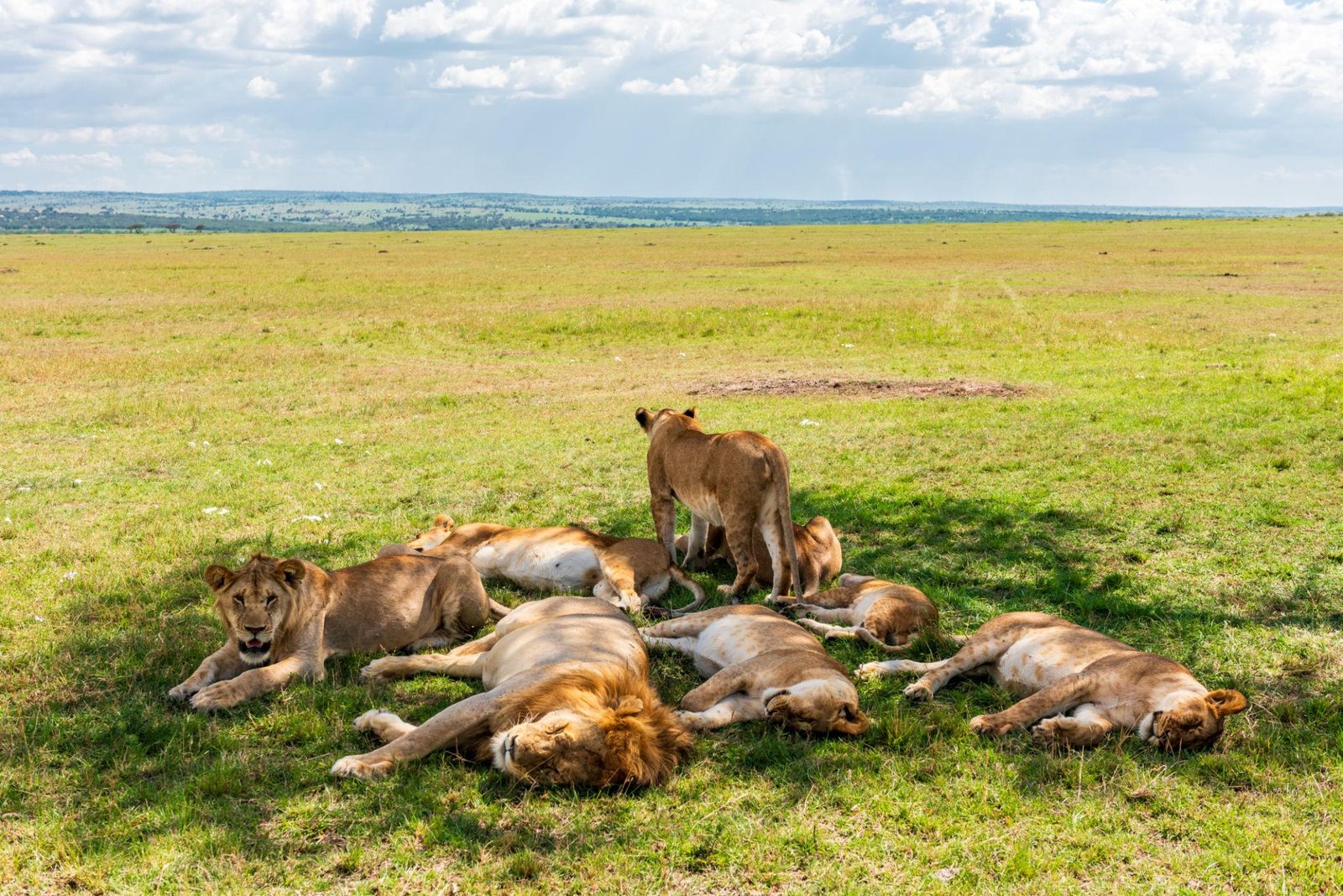
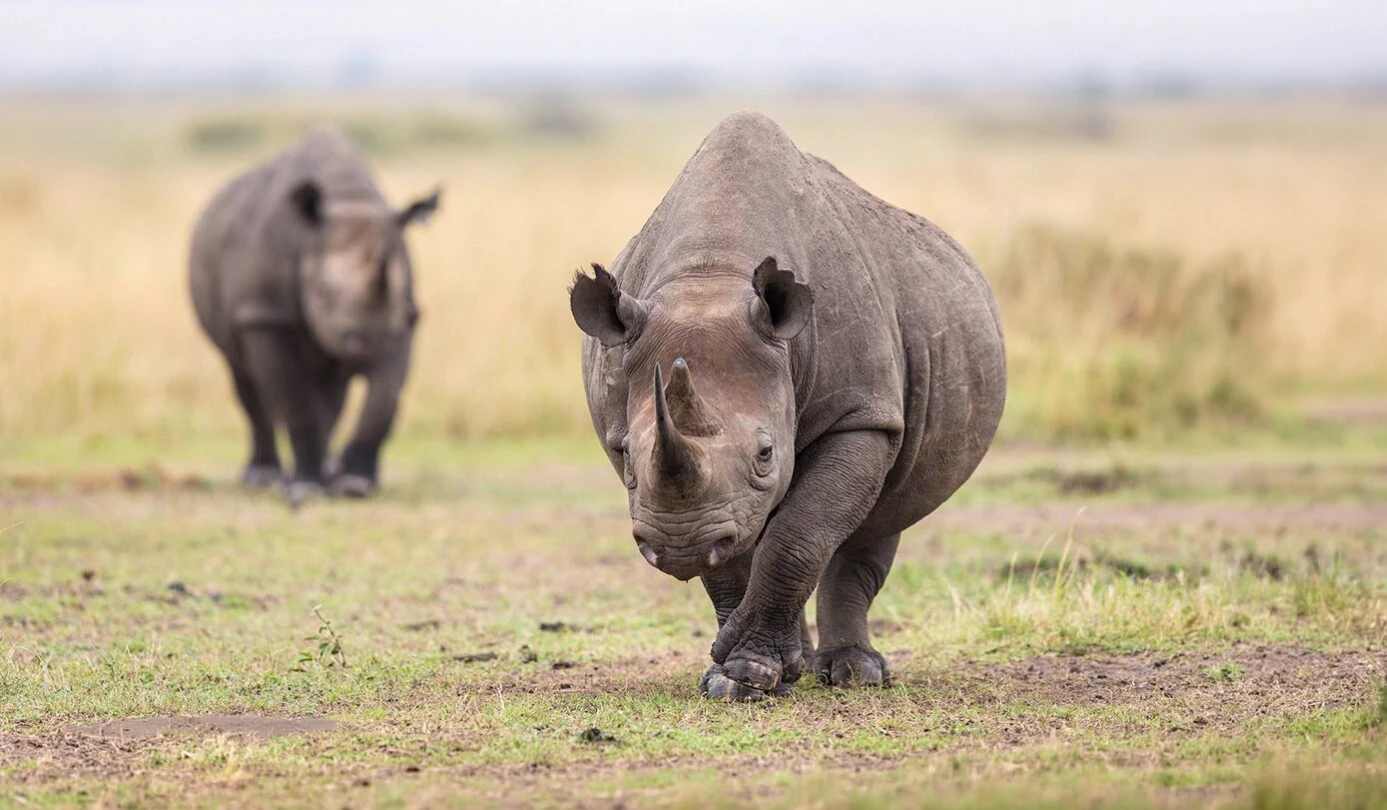
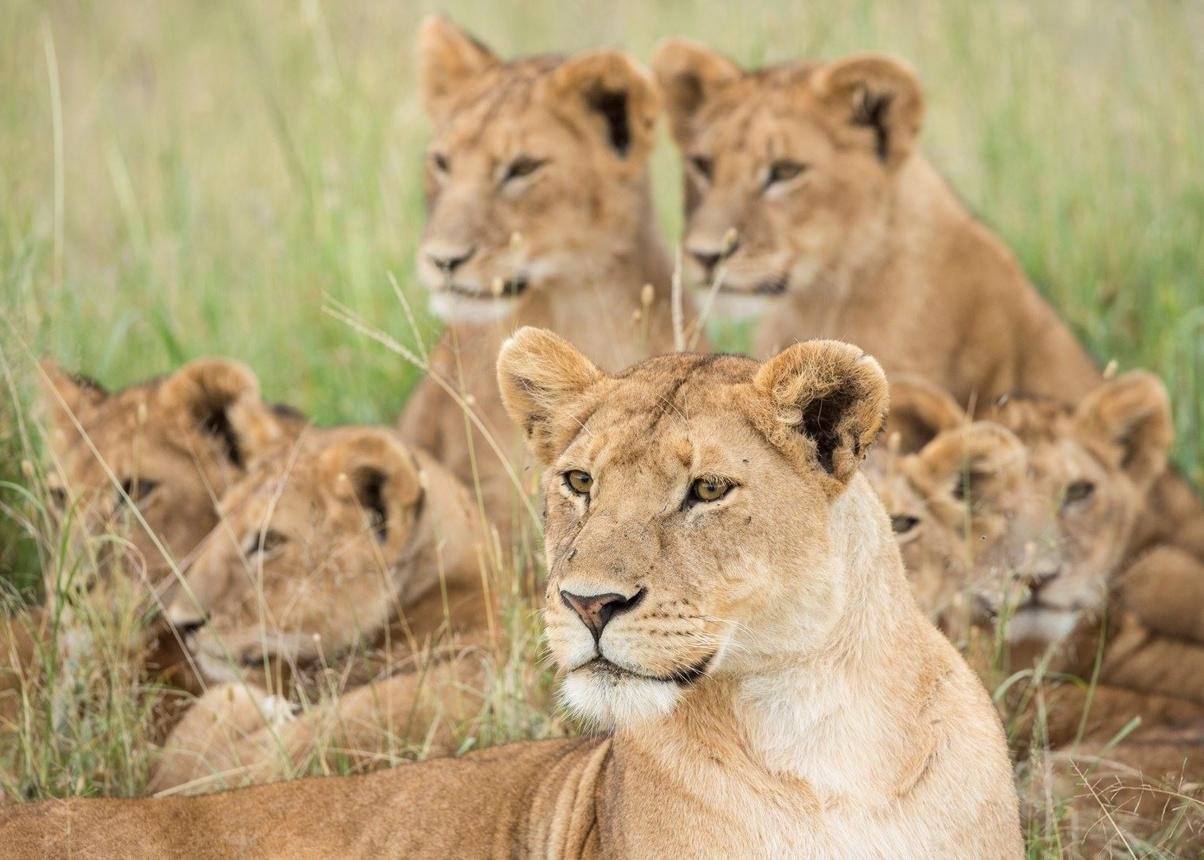
Your journey begins in Arusha and continues through the beautiful Ngorongoro Highlands to the endless plains of Serengeti National Park. Here, you will have opportunities to observe lions, elephants, giraffes, zebras, wildebeest and other wildlife in their natural habitats. The adventure continues to the spectacular Ngorongoro Crater, home to a remarkable concentration of wildlife, including the endangered black rhinoceros.
With professional safari guiding, comfortable accommodation and carefully planned game drives, this three-day safari is ideal for travelers with limited time who want to experience the beauty of Tanzania’s northern safari circuit.
Safari Highlights
- Explore Serengeti National Park, famous for its endless plains and abundant wildlife.
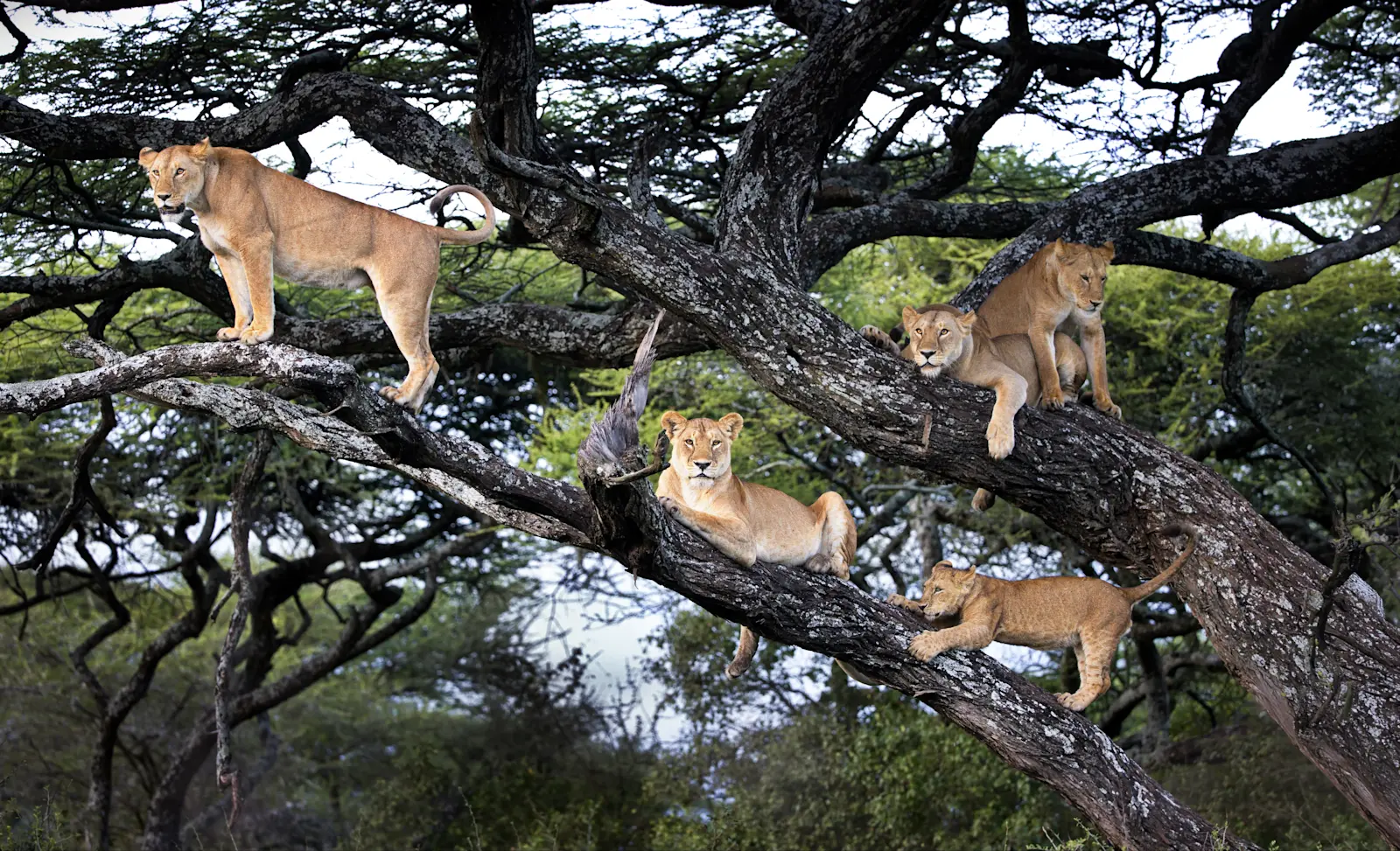
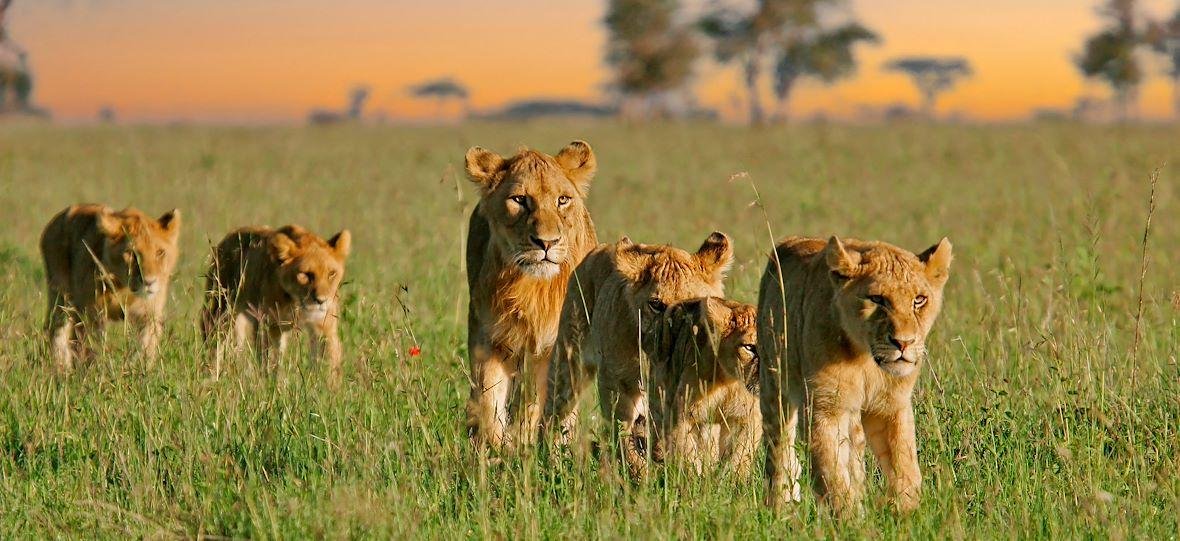
- Enjoy exciting game drives searching for lions, leopards, cheetahs, elephants and giraffes.
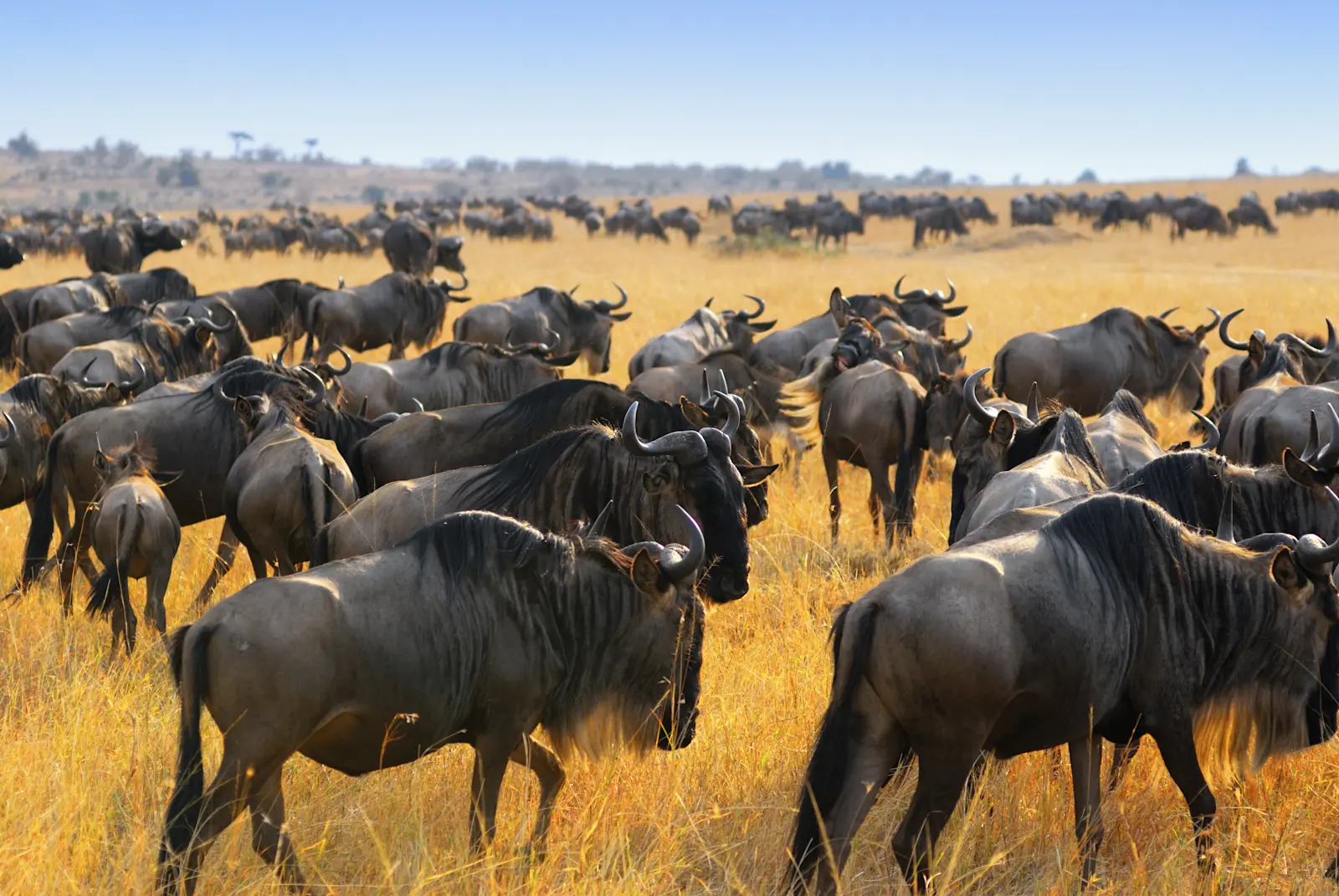
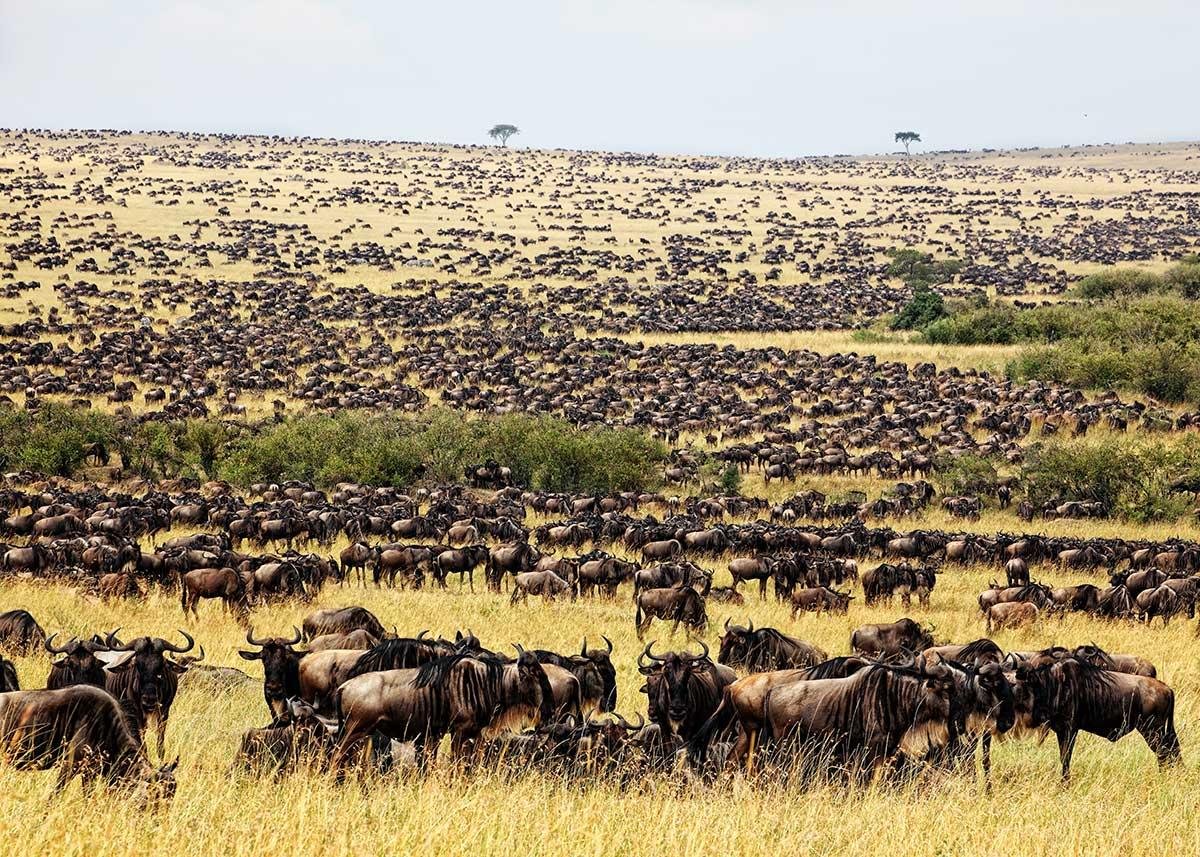
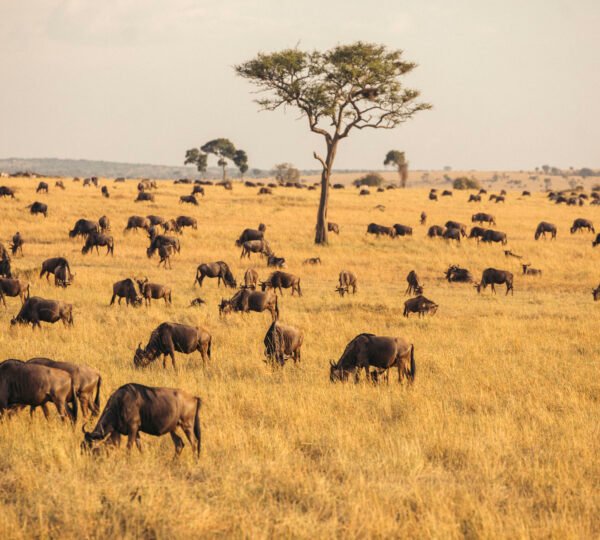
- Experience the Great Wildebeest Migration when seasonal conditions allow.
- Discover the spectacular Ngorongoro Crater and its diverse wildlife.
- Enjoy opportunities to spot the Big Five during your safari.
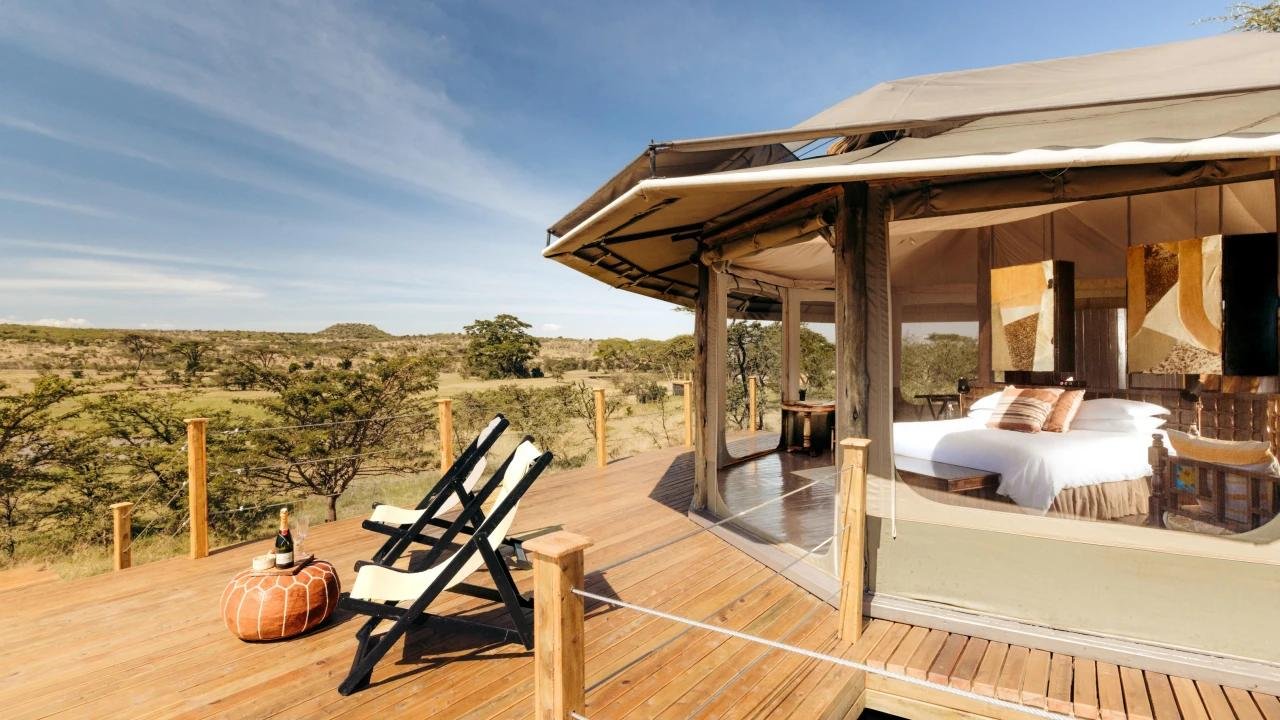
- Stay in comfortable mid-range safari accommodation.
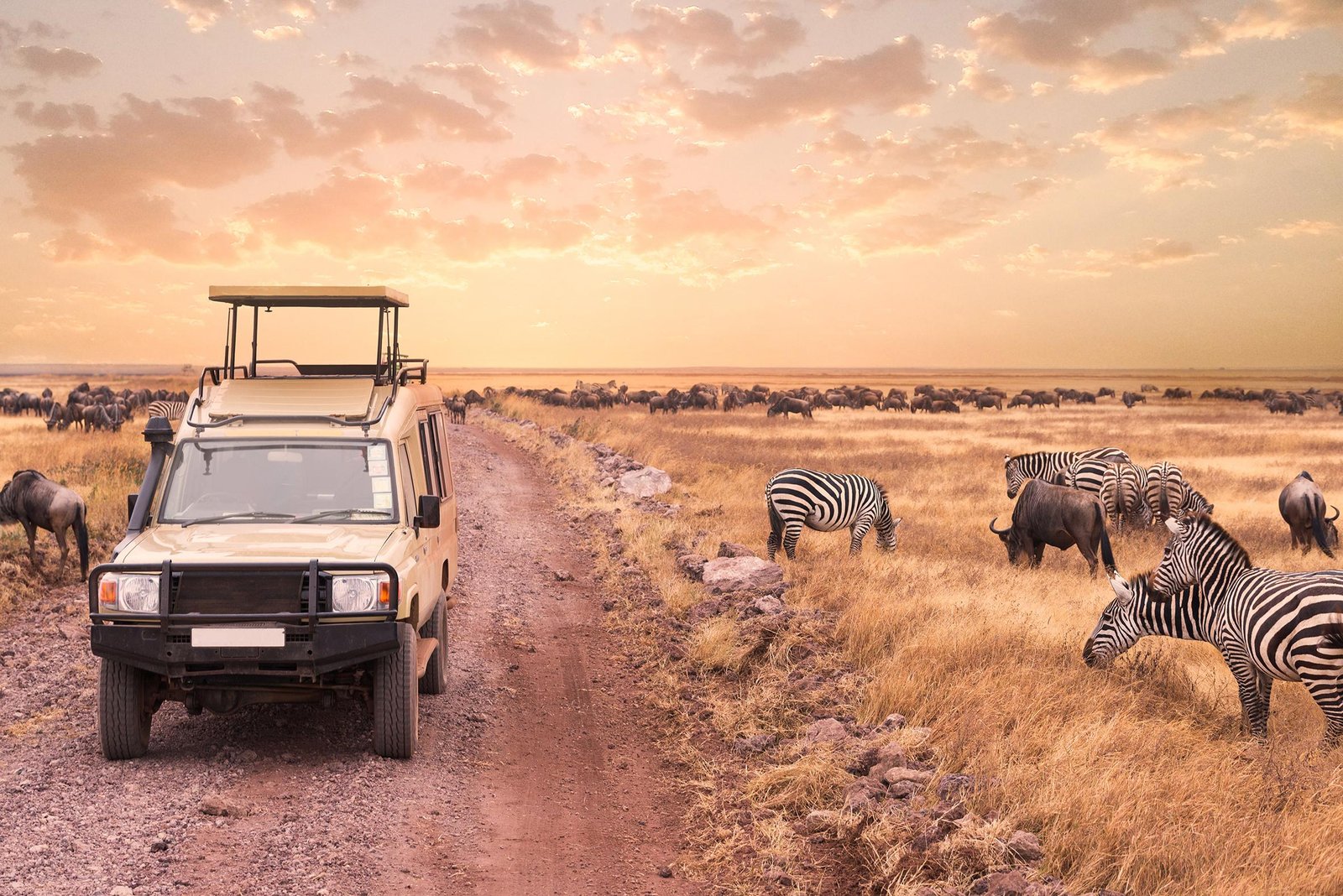
- Travel with an experienced safari driver-guide from African Fauna Odyssey Safaris.
Detailed 3 Days Serengeti and Ngorongoro Safari Itinerary
Day 1: Arusha – Serengeti National Park
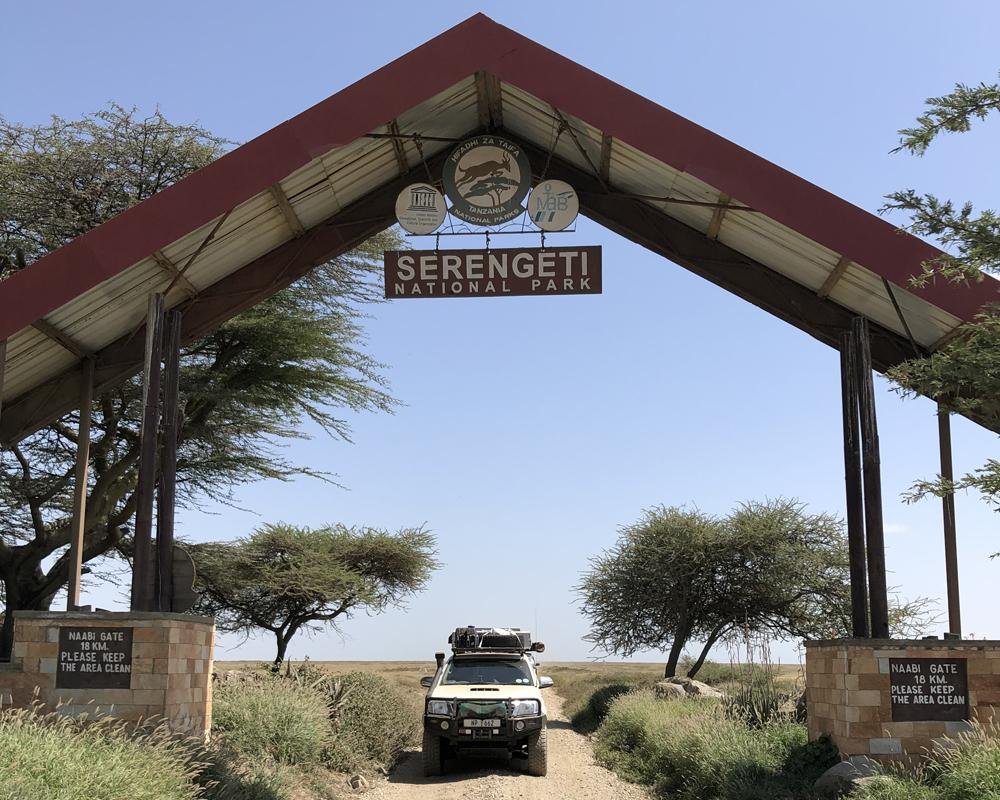
After an early breakfast, depart from Arusha and travel toward Serengeti National Park, passing through the beautiful Ngorongoro Highlands. Enjoy spectacular views of the surrounding landscapes as you continue toward the vast Serengeti plains, one of Africa’s most famous wildlife destinations.
Upon entering the park, enjoy an afternoon game drive while traveling toward your accommodation. Look out for lions, elephants, giraffes, zebras, wildebeest and other wildlife. Arrive at your tented camp in the evening for dinner and overnight relaxation.
Accommodation: Mid-Range Tented Camp in Serengeti
Meals: Lunch and Dinner
Activities: Scenic Transfer and Afternoon Serengeti Game Drive
Day 2: Serengeti National Park – Ngorongoro Conservation Area
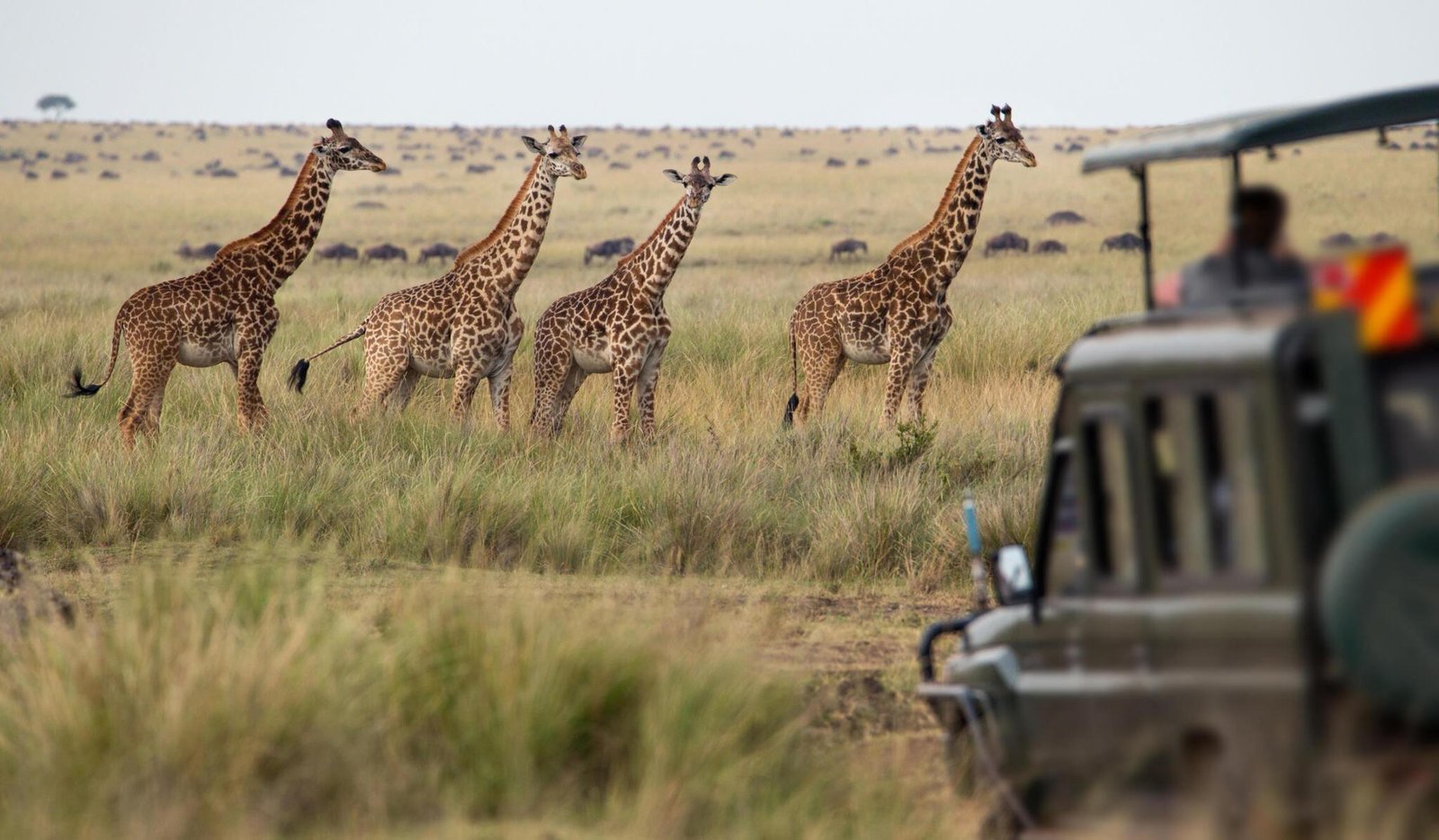
Wake up early for a morning game drive in Serengeti National Park, when many animals are particularly active. Explore the open plains while searching for lions, leopards, cheetahs, elephants, buffaloes and other wildlife. Depending on the season, you may also encounter herds of wildebeest and zebras moving through the Serengeti ecosystem.
After your game drive and lunch, depart toward the Ngorongoro Conservation Area, enjoying beautiful landscapes and possible wildlife sightings along the way. Continue to your lodge near the crater or in Karatu for dinner and overnight accommodation.
Accommodation: Mid-Range Lodge in Ngorongoro or Karatu
Meals: Breakfast, Lunch and Dinner
Activities: Morning Serengeti Game Drive and Transfer to Ngorongoro
Day 3: Ngorongoro Crater Game Drive – Arusha
After an early breakfast, depart for the Ngorongoro Crater, one of Tanzania’s most spectacular wildlife destinations. Descend approximately 600 meters to the crater floor for an exciting game drive through its beautiful grasslands, forests and wetlands.
The crater is home to lions, elephants, buffaloes, zebras, wildebeest, hippos and the endangered black rhinoceros. Enjoy a picnic lunch at a designated location before continuing your wildlife exploration. Later in the afternoon, ascend the crater rim and drive back to Arusha, marking the end of your unforgettable three-day Tanzania safari.
Meals: Breakfast and Lunch
Activities: Ngorongoro Crater Game Drive and Transfer to Arusha
Safari Package Inclusions
- Private 4×4 safari vehicle with a pop-up roof.
- Professional English-speaking safari driver-guide.
- Two nights of mid-range safari accommodation.
- Meals as specified in the itinerary.
- Serengeti National Park entrance fees.
- Ngorongoro Conservation Area entrance fees.
- Ngorongoro Crater service fees.
- All scheduled wildlife game drives.
- Drinking water during safari game drives.
- Applicable government taxes.
Safari Package Exclusions
- International and domestic flights.
- Airport transfers unless specifically arranged.
- Tanzania visa fees.
- Travel and medical insurance.
- Alcoholic beverages and additional drinks.
- Personal expenses and souvenirs.
- Tips for safari guides and lodge staff.
- Optional activities not included in the itinerary.
- Accommodation before or after the safari.
Best Time for the 3 Days Serengeti and Ngorongoro Safari Tour
The 3 Days Serengeti and Ngorongoro Safari Tour can be enjoyed throughout the year, with each season offering different wildlife experiences. The dry season, from June to October, is particularly popular because vegetation becomes thinner and animals often gather around water sources, making wildlife viewing easier in many areas.
From November to March, Tanzania’s landscapes become greener, creating beautiful scenery and excellent photography opportunities. The southern Serengeti is particularly rewarding during the wildebeest calving season, which generally peaks between January and February. April and May bring heavier rainfall, but travelers can still enjoy wildlife viewing and quieter safari destinations.
Because this is a short safari, the itinerary generally focuses on the central Serengeti, and sightings of the Great Migration depend on the seasonal location of the herds.
Why Choose African Fauna Odyssey Safaris?
African Fauna Odyssey Safaris offers memorable wildlife adventures designed to introduce travelers to Tanzania’s incredible natural beauty. Our safari experiences combine exciting game drives, comfortable accommodation and professional guiding to help travelers discover some of Africa’s most remarkable wildlife destinations.
Whether you are traveling as a couple, family, solo adventurer or group of friends, our team can help customize your safari according to your travel dates, accommodation preferences and budget. We aim to provide enjoyable travel experiences and lasting memories of Tanzania.
Frequently Asked Questions
Is 3 days enough for a Serengeti and Ngorongoro safari?
Yes. Three days allows you to visit Serengeti National Park and the Ngorongoro Crater, although the itinerary involves long driving distances. It is suitable for travelers with limited time who want to experience both destinations.
Can I see the Big Five during this safari?
Both destinations offer opportunities to observe members of the Big Five, including lions, leopards, elephants, buffaloes and rhinoceroses. However, wildlife sightings depend on natural animal movements and cannot be guaranteed.
How long is the drive from Arusha to Serengeti?
The drive from Arusha to the central Serengeti generally takes approximately 7–9 hours, depending on road conditions, stops and wildlife viewing along the route.
Is this safari suitable for families?
Yes. This safari can be arranged for families, couples and private groups. However, families traveling with young children should consider the long driving distances involved.
Can I customize the safari itinerary?
Yes. African Fauna Odyssey Safaris can adjust accommodation arrangements, travel dates and selected activities according to your preferences. Travelers wishing to spend more time in Serengeti National Park may prefer a longer safari.
What should I pack for this safari?
We recommend comfortable clothing, walking shoes, sunscreen, sunglasses, a hat, binoculars, a camera and a light jacket for cooler mornings and evenings.
Book Your 3 Days Serengeti and Ngorongoro Safari Tour
Discover Tanzania’s incredible wildlife and spectacular landscapes with African Fauna Odyssey Safaris. This three-day adventure combines exciting Serengeti game drives with an unforgettable visit to the Ngorongoro Crater, creating a memorable wildlife experience in northern Tanzania.
Contact our team today to request a personalized safari quotation. We can help you arrange your adventure according to your preferred travel dates, accommodation category and budget.
African Fauna Odyssey Safaris
Phone / WhatsApp: +255 741 559 000
Alternative Contact: +255 772 713 454
Email: info@africanfaunaodyssey.com
Experience the Wonders of Serengeti and Ngorongoro With African Fauna Odyssey Safaris.
Included/Exclude
Related Tours
Discover more Tanzania safari experiences with African Fauna Odyssey Safaris. Explore our carefully planned tours and find another adventure that suits your interests, travel dates and budget.

Frequently Asked Questions
Planning a trip to Tanzania? Find answers to common questions about wildlife safaris, climbing Mount Kilimanjaro, and relaxing on Zanzibar's beautiful beaches. Our guide will help you prepare for your holiday.
Tanzania Safari Questions
Everything you need to know before going on a wildlife safari in Tanzania.
The best time depends on the wildlife you want to see and the places you plan to visit. The dry season, generally from June to October, is popular because vegetation is thinner and animals often gather near water sources.
January to March can also be excellent, especially in the southern Serengeti and Ndutu area during the wildebeest calving season. Wildlife viewing is possible throughout the year, although weather and road conditions vary by season.
A 3–4 day safari can work well for travellers with limited time. You can visit selected northern Tanzania parks, depending on your starting point and travel schedule.
For a more relaxed experience, we generally recommend 5–8 days. This allows more time for game drives and destinations such as Serengeti National Park, Ngorongoro Crater, Tarangire National Park and Lake Manyara.
Longer safaris of 9 days or more provide additional flexibility for cultural visits, photography and extended wildlife viewing.
Serengeti National Park is famous for its vast plains, predators and the Great Wildebeest Migration. Ngorongoro Crater is known for its remarkable concentration of wildlife within a volcanic caldera.
Tarangire National Park is particularly well known for elephants, baobab trees and seasonal wildlife concentrations. Lake Manyara National Park offers varied habitats, birdlife and beautiful scenery.
For travellers seeking less crowded areas, parks such as Nyerere National Park and Ruaha National Park may also be worth considering.
Yes. Tanzania is home to the lion, leopard, elephant, buffalo and rhinoceros, collectively known as the Big Five.
However, sightings are never guaranteed because wildlife moves freely. Lions, elephants and buffalo are regularly seen in several parks, while leopards can be difficult to spot. Black rhinos are rare and are particularly associated with protected areas such as Ngorongoro Crater.
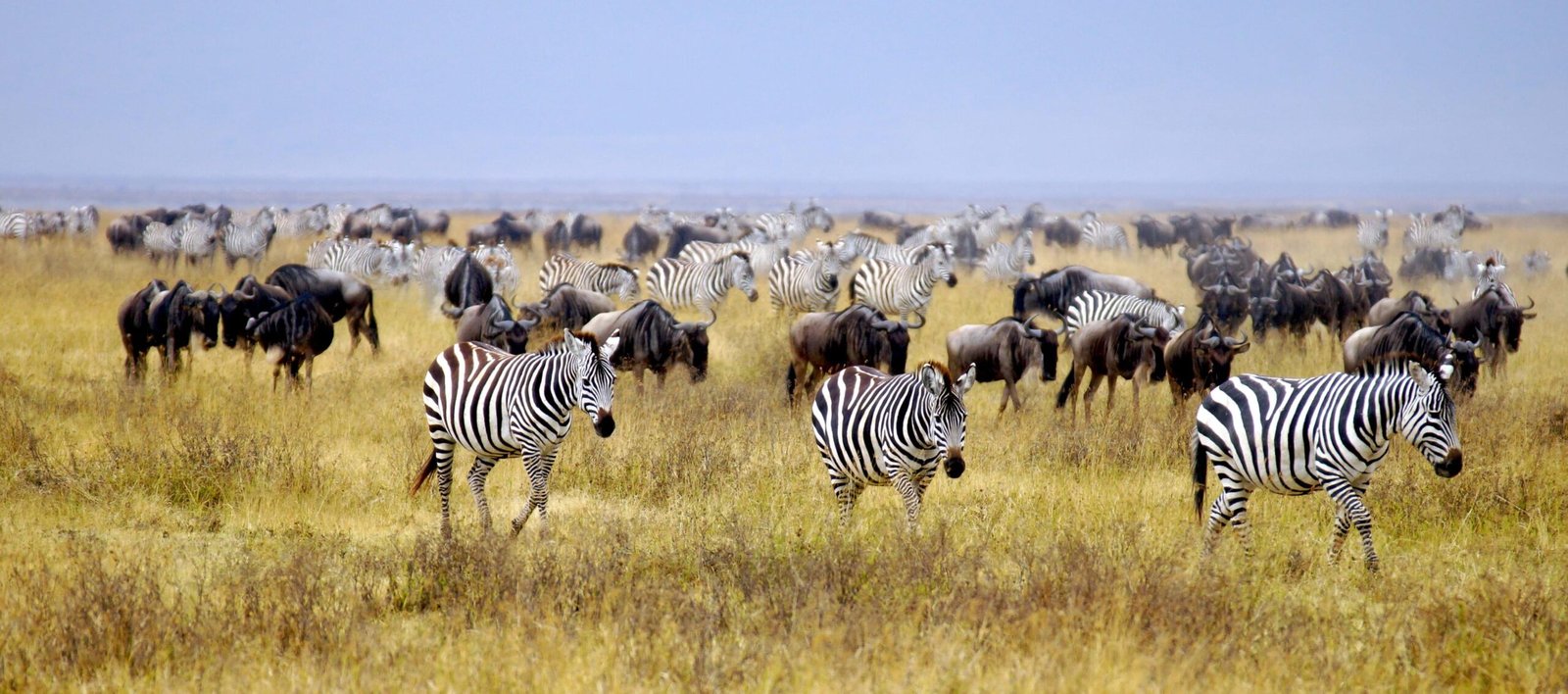
The Great Wildebeest Migration is a year-round movement of wildebeest and other grazing animals through the Serengeti–Mara ecosystem. Their location changes according to rainfall and grazing conditions.
January–March: Herds are often found around the southern Serengeti and Ndutu during calving season.
April–June: Many herds move through central and western areas.
July–October: Herds may gather in the northern Serengeti, where Mara River crossings can occur.
November–December: Herds generally begin moving south again as seasonal rains return.
These are approximate patterns. River crossings and specific sightings cannot be guaranteed.
Safari prices depend on the number of days, accommodation standard, travel season, group size, park fees and whether the trip is private or shared.
Budget camping safaris are generally less expensive than lodge-based mid-range trips, while luxury safaris may include premium accommodation, fly-in transfers and additional services.
For an accurate quotation, share your preferred travel dates, number of travellers, desired accommodation standard and the parks you would like to visit. We can then prepare an itinerary based on your requirements.
Tanzania is an established safari destination, and many international travellers visit its national parks each year. However, travel and wildlife activities involve risks, so following safety guidance is important.
Always follow your guide's instructions, remain inside the vehicle when required, avoid approaching wild animals and respect the rules at camps and lodges.
We also recommend checking your government's current travel advice before departure and purchasing suitable travel insurance.
Pack lightweight, comfortable clothing in neutral colours, a warm jacket for early morning game drives, comfortable closed shoes, sunscreen, sunglasses and a wide-brimmed hat.
Other useful items include binoculars, a camera, insect repellent, personal medication, a reusable water bottle and a small daypack.
If you are taking a domestic flight, check the airline's baggage restrictions before packing.
Visa requirements depend on your nationality. Some visitors can obtain an eVisa or visa on arrival, while others must arrange permission before travelling. Check the official Tanzania Immigration eVisa portal for current requirements.
Yellow fever vaccination documentation may be required depending on your travel history and transit route. You should also speak with a qualified travel-health professional about malaria prevention and other recommended vaccinations.
Ensure your passport meets the applicable entry requirements and that you have sufficient travel insurance.
Yes. Many travellers combine a wildlife safari with a Zanzibar beach holiday or a Mount Kilimanjaro climbing expedition.
A popular option is to spend several days exploring northern Tanzania's national parks before flying to Zanzibar for relaxation. Travellers climbing Kilimanjaro may also add a safari or beach holiday after their trek.
We can help plan the order of activities, transfers and suitable travel dates based on your available time.
Mount Kilimanjaro Climbing Questions
Useful information about routes, altitude, preparation and trekking conditions.
Mount Kilimanjaro is a demanding high-altitude trek, but the standard trekking routes do not usually require technical mountaineering skills.
The main challenges are the altitude, long walking days, changing weather and physical effort required during the summit attempt.
Good preparation, appropriate equipment, an itinerary that allows time for acclimatisation and following your mountain guide's instructions are important. Even fit climbers can experience altitude sickness.
The most popular climbing periods are generally January to early March and June to October, when conditions are often comparatively drier.
However, Kilimanjaro weather is unpredictable. Rain, strong winds, freezing temperatures and snow can occur at high elevations even during the drier months.
Climbing is possible at other times, but wetter conditions can make trails more difficult.
The best route depends on your fitness, trekking experience, available days and accommodation preference.
Lemosho Route: Known for its scenic western approach and varied landscapes.
Machame Route: A popular camping route with dramatic scenery and the famous Barranco Wall.
Marangu Route: The main route offering overnight accommodation in mountain huts.
Rongai Route: Approaches the mountain from the north and is often quieter.
Umbwe Route: A steep and demanding approach generally more suitable for experienced trekkers.
Northern Circuit: Offers remote scenery and, on longer itineraries, more time for acclimatisation.
For many climbers, choosing a longer itinerary is more important than simply choosing the shortest route.
Most Kilimanjaro trekking itineraries take approximately 5 to 9 days on the mountain, depending on the route.
Six-day Marangu and seven-day Machame itineraries are common examples. Eight-day Lemosho trips offer additional time on the mountain.
Longer routes can provide better opportunities to acclimatise, although they do not eliminate altitude-related risks. It is also sensible to allow time before and after the climb for arrival, preparation and rest.
Previous technical climbing experience is not normally required for Kilimanjaro's standard trekking routes. However, experience with long hikes and multi-day trekking is helpful.
You should be comfortable walking for several hours on uneven terrain and carrying a small daypack.
We recommend preparing with regular hiking, cardiovascular exercise and strength training. Travellers with relevant medical conditions should seek advice from their healthcare professional before booking.
Altitude sickness can occur when the body does not adjust adequately to reduced oxygen availability at higher elevations. Symptoms may include headache, nausea, dizziness, fatigue and difficulty sleeping.
Choosing an itinerary with sufficient acclimatisation time, ascending gradually, staying appropriately hydrated and following your guide's instructions can help reduce risk.
Altitude sickness can become life-threatening. Inform your guide immediately about symptoms. Severe or worsening symptoms require urgent assessment and descent; do not continue ascending when advised to descend.
Ask a qualified medical professional about altitude-related medication before travelling. Medication is not a substitute for safe ascent practices.
Essential items include well-fitted hiking boots, thermal base layers, insulating clothing, a waterproof jacket and trousers, warm gloves, a winter hat, a headlamp and a suitable sleeping bag.
You will also need a daypack, water containers, sunglasses, high-SPF sunscreen and personal toiletries.
Summit temperatures can be well below freezing, so proper cold-weather equipment is essential. Ask your tour operator for a detailed packing list and information about any equipment available for hire.
Accommodation depends on the climbing route. The Marangu Route uses designated mountain huts, generally with shared sleeping facilities.
Routes such as Machame, Lemosho, Rongai and Umbwe normally use designated campsites with tents.
Facilities are basic compared with hotels, and conditions become colder as you gain altitude. Your itinerary should explain what camping equipment and services are included.
Some first-time high-altitude trekkers successfully reach Uhuru Peak, but summit success is never guaranteed.
Your physical condition, altitude response, weather, route duration and preparation all influence the experience.
Beginners should choose an appropriate itinerary, train in advance and understand that turning back for health or safety reasons is always the right decision when necessary.
The cost depends on the route, number of trekking days, group size, park fees, accommodation arrangements, equipment and services included.
A complete quotation should clearly explain park fees, guide and porter services, meals, mountain accommodation, transfers and any additional costs.
When comparing prices, consider the operator's safety arrangements, crew welfare, equipment quality and the time allowed for acclimatisation rather than selecting a trip based on price alone.
Zanzibar Beach Holiday Questions
Helpful answers about beaches, accommodation, activities and island travel.
Zanzibar is a warm tropical destination throughout the year. The periods from June to October and December to February are particularly popular for beach holidays.
March to May is generally the wetter season, while November often brings shorter seasonal rains.
Weather conditions vary, so the best travel dates depend on your preferred activities, accommodation budget and tolerance for occasional rain.
Nungwi: Popular for beach resorts, restaurants and swimming opportunities.
Kendwa: Known for its sandy beach, sunsets and comparatively favourable swimming conditions at many tide levels.
Paje: Popular for kitesurfing, beach cafés and a lively coastal atmosphere.
Jambiani: Offers a quieter village setting with guesthouses and a relaxed atmosphere.
Matemwe: Known for its peaceful coastline and access to excursions around Mnemba Atoll.
Beach conditions and swimming access vary with tides, weather and the specific property location.
For a short beach break after a safari, 3–4 days can be enough to relax and enjoy selected activities.
A stay of 5–7 days gives you more time to explore Stone Town, enjoy beach excursions, visit cultural attractions and spend quiet days at your hotel.
Travellers who want to visit different coastal areas or enjoy a longer honeymoon may prefer a week or more.
Zanzibar offers much more than beach relaxation. Popular activities include snorkelling, scuba diving, dhow boat excursions, spice farm tours and guided walks through historic Stone Town.
Depending on your interests, you may also enjoy visiting Jozani Forest, exploring local villages, trying Swahili cuisine or taking a sunset cruise.
Marine excursions depend on weather and sea conditions. Choose responsible operators who follow local conservation and wildlife protection rules.
Yes. Zanzibar is a popular destination for couples because of its tropical beaches, ocean views, boutique hotels and luxury resorts.
Honeymoon activities can include private beach dinners, sunset cruises, spa treatments, snorkelling and relaxing days by the Indian Ocean.
Many couples also combine Zanzibar with a Tanzania wildlife safari for a holiday that includes both adventure and beach relaxation.
Yes. Depending on your safari itinerary, you may be able to fly to Zanzibar from Arusha, Kilimanjaro, Dar es Salaam or selected airstrips serving safari destinations.
Some routes are direct, while others require a connection. Flight schedules and availability vary.
We recommend arranging your safari and Zanzibar transfers together so that travel times, baggage allowances and hotel check-in arrangements are coordinated.
Zanzibar is a well-established tourist destination, but visitors should take normal travel precautions.
Keep valuables secure, use reputable transport providers, avoid isolated areas after dark and follow local guidance when swimming or taking boat excursions.
Respect local customs, particularly when visiting villages and Stone Town. Modest clothing is recommended away from beach resorts.
Check current travel advice and maintain appropriate travel insurance throughout your stay.
Zanzibar is part of the United Republic of Tanzania, so visitors generally use the applicable Tanzanian immigration permission rather than a separate Zanzibar visa.
However, Zanzibar has introduced mandatory inbound travel insurance for many foreign visitors, which may be required even when you already hold private travel insurance. Requirements and exemptions can change.
Before departure, verify the latest conditions through the official Zanzibar tourism portal and the relevant immigration or insurance authorities.
Pack lightweight clothing, swimwear, sandals, sunscreen, sunglasses, a sun hat and comfortable shoes for sightseeing.
Bring modest clothing for visits to Stone Town and local communities, as well as insect repellent and any personal medication.
A waterproof bag can be useful for boat trips, and reef-safe sun protection is worth considering for marine activities.
Yes. A Tanzania safari followed by Zanzibar is a popular family holiday combination.
Families can enjoy wildlife viewing in parks such as Tarangire, Serengeti and Ngorongoro before travelling to Zanzibar for beach activities and relaxation.
When travelling with children, consider shorter driving days, suitable accommodation, age restrictions for activities and safe swimming conditions. We can help you plan an itinerary that suits your family's needs.
Still Have Questions About Your Tanzania Holiday?
Our team can help you choose a safari itinerary, compare Kilimanjaro routes, or plan a Zanzibar beach holiday. Contact us to discuss your travel dates and preferences.