

Zanzibar is one of the most beautiful holiday destinations in East Africa, attracting travelers with its white sandy beaches, turquoise waters, rich history and welcoming coastal atmosphere. Located in the Indian Ocean, just off the coast of mainland Tanzania, Zanzibar offers a wonderful combination of relaxation, culture, marine activities and tropical scenery.
For travelers planning a Tanzania holiday, Zanzibar is an excellent destination to combine with a wildlife safari. You can spend several days exploring the famous Serengeti National Park, Ngorongoro Crater or Tarangire National Park before flying to Zanzibar for a relaxing beach holiday. This combination allows visitors to experience two very different sides of Tanzania within one trip.
Whether you are planning a honeymoon, family holiday, romantic getaway or adventure with friends, Zanzibar offers something for almost every traveler. From the historic streets of Stone Town to the beautiful beaches of Nungwi, Kendwa, Paje and Matemwe, the island provides plenty of opportunities to explore, relax and enjoy the Indian Ocean.
In this guide, African Fauna Odyssey Safaris explains why Zanzibar is one of Tanzania’s most popular holiday destinations, the best places to visit, activities to enjoy and how to combine a Zanzibar beach holiday with an African wildlife safari.

Why Zanzibar Is One of the Best Beach Holiday Destinations in Africa
Zanzibar has become a popular destination for international travelers because of its beautiful beaches, tropical climate and wide range of accommodation options. The island offers everything from affordable beachfront hotels to luxury resorts, making it suitable for travelers with different budgets and holiday preferences.
One of Zanzibar’s greatest attractions is its coastline. Many beaches feature soft white sand, clear blue water and beautiful palm trees. Visitors can spend their days swimming, snorkeling, diving, enjoying boat excursions or simply relaxing beside the ocean.
Beyond its beaches, Zanzibar has a fascinating history influenced by African, Arab, Indian and European cultures. These influences can be seen in the island’s architecture, food, traditions and historic trading centers.
The island is also famous for its spices, particularly cloves, cinnamon, nutmeg and black pepper. Visitors can explore local spice farms, learn about traditional farming methods and discover the important role Zanzibar played in the Indian Ocean spice trade.
For travelers who want more than a traditional beach holiday, Zanzibar offers an interesting combination of coastal relaxation, cultural experiences and outdoor activities.
Discover the Most Beautiful Beaches in Zanzibar
Zanzibar has many beautiful beaches, each offering a different holiday experience. Some are ideal for swimming and relaxation, while others are popular for water sports, snorkeling and exploring local coastal communities.
Nungwi Beach – Beautiful Beaches and Lively Coastal Atmosphere
Nungwi Beach is located on the northern tip of Zanzibar and is one of the island’s most popular beach destinations. It is known for its white sandy shoreline, clear turquoise waters and beautiful Indian Ocean sunsets.
Unlike some beaches on Zanzibar’s eastern coast, Nungwi generally experiences less dramatic tidal changes, making swimming more accessible during much of the day. Visitors can enjoy snorkeling, sunset cruises, diving excursions and relaxing afternoons at beachfront restaurants.
Nungwi also offers a wide selection of accommodation, including luxury resorts, boutique hotels and affordable guesthouses. Its combination of beautiful beaches, restaurants and activities makes it particularly suitable for couples, families and travelers who enjoy a lively atmosphere.
Kendwa Beach – Perfect for Relaxation and Sunsets
Kendwa Beach is located near Nungwi on Zanzibar’s northwestern coast. It is famous for its wide sandy beach, calm atmosphere and spectacular sunsets over the Indian Ocean.
The beach is particularly attractive to travelers who want to relax without traveling far from restaurants and beach activities. Visitors can enjoy swimming, sunbathing, beach walks and occasional boat excursions.
Kendwa is also popular with honeymoon couples because of its romantic coastal scenery and beautiful beachfront accommodation. Many hotels offer private dining experiences, swimming pools and direct access to the beach.
Paje Beach – Zanzibar’s Water Sports Paradise
Paje Beach is located on Zanzibar’s southeastern coast and is especially popular with travelers interested in kitesurfing and other water sports.
The beach features long stretches of white sand, shallow turquoise waters and beautiful views of the Indian Ocean. Seasonal winds create favorable conditions for kitesurfing, attracting beginners and experienced enthusiasts from different parts of the world.
Paje also has a relaxed coastal atmosphere, with beachfront cafés, restaurants and accommodation ranging from affordable guesthouses to boutique resorts.
Visitors who prefer quieter activities can enjoy beach walks, swimming when tidal conditions are suitable and exploring nearby coastal villages.
Jambiani Beach – A Peaceful Coastal Escape
Jambiani is a beautiful coastal village located south of Paje. It is known for its peaceful atmosphere, traditional fishing activities and long stretches of white sandy beach.
The village offers travelers an opportunity to experience everyday coastal life while enjoying Zanzibar’s natural beauty. Visitors can walk along the beach, explore local communities and observe traditional fishing and seaweed farming activities.
Jambiani is particularly suitable for couples and travelers looking for a quieter holiday away from the busier tourist areas.
Matemwe Beach – A Beautiful Destination for Relaxation
Matemwe Beach is located on Zanzibar’s northeastern coast and offers a peaceful environment surrounded by beautiful tropical scenery.
The beach is known for its white sand, traditional fishing villages and views toward Mnemba Island. It is a popular base for travelers interested in snorkeling and diving excursions around the Mnemba marine area.
Matemwe is also home to several boutique hotels and beachfront resorts, making it an excellent choice for honeymooners and travelers looking for a relaxing island holiday.
Explore Stone Town – Zanzibar’s Historic Cultural Center
Stone Town is the historic heart of Zanzibar City and one of the island’s most important cultural attractions. Recognized as a UNESCO World Heritage Site, Stone Town is famous for its narrow streets, historic buildings, carved wooden doors and fascinating cultural heritage.
Walking through Stone Town provides an opportunity to discover Zanzibar’s history as an important trading center along the Indian Ocean. The town reflects centuries of cultural interaction between African, Arab, Indian and European communities.
Visitors can explore historic buildings, traditional markets, museums and local restaurants. Popular attractions include the Old Fort, the House of Wonders, the former slave market site and the waterfront area near Forodhani Gardens.
Stone Town is also an excellent place to experience Zanzibar’s local cuisine. Visitors can enjoy fresh seafood, grilled meats, tropical fruits and traditional dishes influenced by the island’s multicultural history.
A guided Stone Town tour is recommended for travelers who want to understand the island’s history and cultural traditions.
Visit Zanzibar’s Famous Spice Farms
Zanzibar is widely known as the Spice Island because of its long history of growing and exporting spices. Spice farming remains an important part of the island’s agricultural heritage.
A guided spice farm tour allows visitors to discover how different spices and tropical fruits are grown. During the excursion, local guides explain the traditional uses of cloves, cinnamon, nutmeg, vanilla, cardamom and other crops.
Visitors may have opportunities to smell fresh spices, taste seasonal fruits and learn about the role of spice farming in Zanzibar’s economy.
Spice tours are suitable for families, couples and travelers interested in agriculture, culture and local traditions. They can easily be combined with a Stone Town tour for a full day of cultural exploration.
Discover Jozani Forest and Zanzibar’s Red Colobus Monkeys
Jozani Forest is one of Zanzibar’s most important natural attractions and forms part of Jozani Chwaka Bay National Park.
The forest is particularly famous for the Zanzibar red colobus monkey, a primate species found naturally in Zanzibar. Visitors can explore designated forest trails with local guides while learning about the area’s wildlife, vegetation and conservation efforts.
In addition to red colobus monkeys, the forest supports other wildlife, including various bird species, reptiles and smaller mammals.
Some guided visits also include a walk through nearby mangrove habitats, where visitors can learn about the importance of mangrove ecosystems in protecting coastal environments.
Jozani Forest is an excellent destination for travelers who want to experience Zanzibar’s natural environment beyond its beaches.
Experience Snorkeling and Diving Around Mnemba Atoll
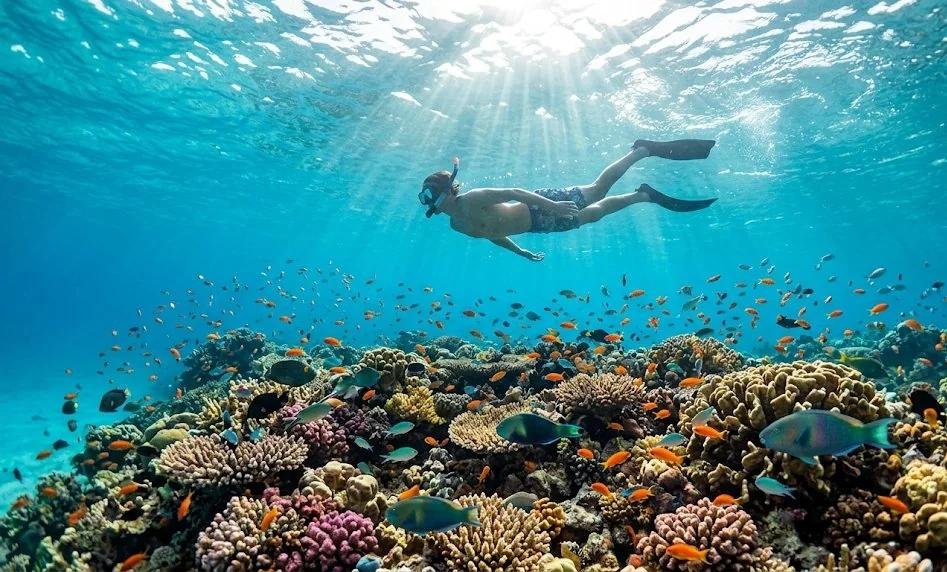
Zanzibar is one of Tanzania’s most popular destinations for snorkeling and scuba diving. Its surrounding waters support coral reefs, colorful tropical fish and a variety of marine life.
Mnemba Atoll, located off Zanzibar’s northeastern coast, is among the island’s best-known snorkeling and diving areas. Boat excursions typically depart from nearby coastal locations, depending on the operator and sea conditions.
During snorkeling trips, visitors may observe colorful reef fish, coral formations and other marine species. Dolphins are sometimes encountered in the surrounding waters, although sightings cannot be guaranteed.
Scuba diving excursions are available for both beginners and experienced divers through licensed diving operators. Travelers should choose responsible operators who follow marine conservation guidelines and avoid disturbing wildlife.
For visitors planning a Zanzibar beach holiday, snorkeling around Mnemba is one of the most rewarding marine activities to consider.
Visit Prison Island and See the Giant Tortoises
Prison Island, also known as Changuu Island, is located a short boat ride from Stone Town. The island is famous for its giant tortoises, historic buildings and beautiful coastal surroundings.
Despite its name, Prison Island was never used as a functioning prison in the way originally planned. It later served other purposes, including quarantine facilities.
Today, visitors can explore the island, learn about its history and observe the giant tortoises housed there. Some tortoises are more than a century old.
The excursion can be combined with a Stone Town tour or other nearby activities, making it a popular choice for travelers spending a few days in Zanzibar.
Combine a Tanzania Wildlife Safari With a Zanzibar Beach Holiday
One of the best ways to experience Tanzania is by combining a wildlife safari with a relaxing Zanzibar beach holiday.
Mainland Tanzania is home to some of Africa’s most famous wildlife destinations, including Serengeti National Park, Ngorongoro Crater, Tarangire National Park and Lake Manyara National Park.
These destinations offer opportunities to observe lions, elephants, giraffes, zebras, buffaloes, wildebeest and many other animals in their natural habitats.
After several days of game drives, travelers can fly to Zanzibar to enjoy the island’s beautiful beaches, tropical weather and comfortable coastal accommodation.
This combination is particularly popular with honeymoon couples, families and travelers visiting Tanzania for the first time.
Serengeti National Park and Zanzibar Beach Holiday
Serengeti National Park is one of Africa’s most famous wildlife destinations. It is known for its vast savannah plains, large populations of predators and the annual Great Wildebeest Migration.
Travelers can spend several days exploring the Serengeti before taking a domestic flight to Zanzibar, subject to available flight schedules.
After the safari, Zanzibar provides an opportunity to relax beside the Indian Ocean, enjoy snorkeling excursions and explore the island’s cultural attractions.
A Serengeti and Zanzibar combination is particularly suitable for travelers who want to experience both African wildlife and a tropical beach holiday.
Ngorongoro Crater and Zanzibar Holiday
The Ngorongoro Crater is another remarkable destination to include in a Tanzania safari and Zanzibar holiday.
Located within the Ngorongoro Conservation Area, the crater is famous for its beautiful scenery and remarkable concentration of wildlife. Visitors may encounter lions, elephants, buffaloes, hippos, zebras and the endangered black rhinoceros.
After exploring the crater, travelers can continue to Arusha or Kilimanjaro International Airport for onward travel to Zanzibar.
This combination offers an excellent balance of wildlife experiences and beach relaxation.
Tarangire National Park and Zanzibar Beach Holiday
Tarangire National Park is famous for its large elephant herds, ancient baobab trees and beautiful landscapes.
The park is particularly rewarding during the dry season, when wildlife gathers around the Tarangire River and other water sources.
Travelers can combine Tarangire with nearby destinations such as Lake Manyara and Ngorongoro Crater before continuing to Zanzibar.
This option is ideal for visitors looking for a shorter mainland safari followed by several days of relaxation on the island.
Zanzibar Honeymoon and Romantic Beach Holidays
Zanzibar is one of the most popular honeymoon destinations in East Africa. Its beautiful beaches, romantic sunsets and luxury beachfront resorts create an attractive setting for couples celebrating a wedding, anniversary or special occasion.
Honeymoon couples can choose from private beachfront villas, boutique hotels and luxury resorts offering beautiful ocean views and personalized services.
Popular romantic experiences include sunset dhow cruises, private beach dinners, couples’ spa treatments and snorkeling excursions.
Many couples choose to begin their honeymoon with a Tanzania wildlife safari before traveling to Zanzibar for a relaxing beach holiday.
African Fauna Odyssey Safaris can help arrange a customized honeymoon combining exciting wildlife experiences with comfortable beach accommodation.
Zanzibar Family Holidays
Zanzibar is also an excellent destination for families traveling with children. The island offers beautiful beaches, comfortable family-friendly resorts and a variety of activities suitable for different age groups.
Families can enjoy swimming, guided cultural tours, spice farm visits and carefully selected boat excursions.
A visit to Jozani Forest can be particularly interesting for children because of the opportunity to observe Zanzibar red colobus monkeys in their natural habitat.
When choosing accommodation, families should consider swimming conditions, tidal changes, resort facilities and access to medical services.
Northern beach destinations such as Nungwi and Kendwa are often popular with families because of their accommodation options and generally favorable swimming conditions.
Best Time to Visit Zanzibar
Zanzibar is a year-round holiday destination, although weather conditions vary throughout the year.
The most popular months for beach holidays are generally June to October and December to February, when visitors can often enjoy warm temperatures, sunshine and favorable conditions for outdoor activities.
June to October
This period is generally one of the best times to visit Zanzibar. The weather is often relatively dry, with comfortable temperatures and pleasant conditions for beach activities, sightseeing and snorkeling.
It is also a popular period for combining Zanzibar with a Tanzania wildlife safari.
December to February
December to February is another excellent period for visiting Zanzibar. Temperatures are generally warm, making it a popular time for swimming, beach relaxation and marine activities.
Travelers visiting during the Christmas and New Year holidays should consider booking accommodation well in advance because popular resorts can become busy.
March to May
March to May generally brings heavier rainfall, particularly during April and May. Some outdoor activities may be affected by weather conditions, although visitors can still experience warm temperatures and beautiful tropical scenery.
Accommodation rates may be lower during parts of this period, but some hotels and tour operators reduce their services.
November
November often experiences shorter periods of rainfall, with sunny intervals between showers.
Travelers can still enjoy beach activities and sightseeing, although weather conditions may be less predictable than during the main dry seasons.
How Many Days Should You Spend in Zanzibar?
The ideal length of a Zanzibar holiday depends on your travel interests, budget and whether you are combining the island with a mainland Tanzania safari.
3 Days in Zanzibar
Three days is suitable for travelers who want a short beach holiday after a wildlife safari. You can spend time relaxing at your hotel, exploring Stone Town or enjoying a snorkeling excursion.
4 to 5 Days in Zanzibar
Four or five days provides a better balance of relaxation and sightseeing. Travelers can explore Stone Town, visit spice farms, enjoy beach activities and take a boat excursion.
6 to 7 Days in Zanzibar
A week in Zanzibar allows visitors to explore different parts of the island while enjoying plenty of time for relaxation.
You can combine cultural tours, snorkeling, diving, beach activities and visits to local communities without feeling rushed.
For honeymoon couples and families, five to seven days is often an excellent choice.
Where to Stay in Zanzibar
Zanzibar offers accommodation for different budgets and travel preferences, ranging from affordable guesthouses to luxury beachfront resorts.
Travelers looking for lively beach destinations may prefer Nungwi or Kendwa, where there are numerous restaurants, hotels and marine activities.
Paje and Jambiani are suitable for visitors interested in water sports, local culture and relaxed coastal surroundings.
Matemwe offers a quieter atmosphere and convenient access to snorkeling and diving excursions around Mnemba.
Stone Town is an excellent choice for travelers interested in history, architecture and cultural experiences.
When choosing accommodation, consider your preferred activities, swimming conditions, transport arrangements and the overall atmosphere of the area.
What to Pack for a Zanzibar Beach Holiday
Packing for Zanzibar is relatively simple because of its warm tropical climate. Lightweight clothing is suitable for most daytime activities, although visitors should also prepare for occasional rainfall and cooler evenings.
Recommended items include:
- Lightweight cotton clothing.
- Swimwear and beach sandals.
- Comfortable walking shoes.
- Sunscreen and sunglasses.
- A wide-brimmed hat.
- Insect repellent.
- A reusable water bottle.
- A camera or smartphone.
- A light rain jacket.
- Modest clothing for visiting towns and local communities.
Zanzibar has a predominantly Muslim population, so visitors should dress respectfully when exploring Stone Town, villages and other public areas away from beach resorts.
How to Get to Zanzibar
Zanzibar is accessible by international and domestic flights, as well as passenger ferries from mainland Tanzania.
Traveling to Zanzibar by Air
Abeid Amani Karume International Airport serves Zanzibar and receives both international and domestic flights.
Travelers combining a mainland safari with Zanzibar can arrange domestic flights from airports such as Arusha, Kilimanjaro or airstrips serving safari destinations, depending on available routes and schedules.
Flying is generally the most convenient option for travelers arriving from Serengeti National Park or other northern Tanzania safari destinations.
Traveling to Zanzibar by Ferry
Passenger ferries operate between Dar es Salaam and Zanzibar, providing another convenient transport option for visitors traveling from mainland Tanzania.
The journey generally takes around two hours on a fast ferry, although travel times depend on the vessel and sea conditions.
Travelers should use licensed ferry operators and confirm departure schedules before traveling.
Important Zanzibar Travel Tips
Before traveling to Zanzibar, it is helpful to understand a few practical details about the island.
Zanzibar uses the Tanzanian shilling, although some hotels and tourism businesses also accept US dollars. Visitors should carry some local currency for smaller purchases and local services.
English and Swahili are widely used in tourism areas, making communication relatively easy for international visitors.
Travelers should also check current visa requirements, passport validity and any applicable Zanzibar-specific travel insurance requirements before departure.
When visiting local communities, respecting cultural traditions and dressing appropriately will help create a more comfortable travel experience.
For marine activities, choose licensed operators who follow safety procedures and responsible tourism practices.
Why Book Your Zanzibar Holiday With African Fauna Odyssey Safaris?
African Fauna Odyssey Safaris helps travelers explore Tanzania’s beautiful wildlife destinations and tropical coastal attractions through carefully arranged travel experiences.
Our Zanzibar holiday arrangements can include beachfront accommodation, airport transfers, cultural excursions, snorkeling activities and combinations with mainland Tanzania wildlife safaris.
Whether you are planning a romantic honeymoon, family beach holiday or a combined safari and Zanzibar vacation, our team can help organize your trip according to your travel dates, accommodation preferences and budget.
We aim to make travel planning easier by helping visitors arrange different parts of their Tanzania holiday through one local travel company.
Frequently Asked Questions About Zanzibar Holidays
Is Zanzibar worth visiting?
Yes. Zanzibar is an excellent destination for travelers interested in beautiful beaches, cultural attractions, snorkeling, diving and tropical island relaxation. It is also a popular destination to combine with a Tanzania wildlife safari.
Can I combine Zanzibar with a Serengeti safari?
Yes. Many travelers visit Serengeti National Park before flying to Zanzibar for a relaxing beach holiday. The combination allows visitors to experience Tanzania’s wildlife and Indian Ocean coastline within one trip.
What is the best beach in Zanzibar?
Nungwi, Kendwa, Paje, Jambiani and Matemwe are among Zanzibar’s most popular beaches. The best choice depends on whether you prefer swimming, water sports, relaxation or a lively coastal atmosphere.
How many days are enough for Zanzibar?
Four to seven days is generally suitable for travelers who want to combine beach relaxation with sightseeing and marine activities. Shorter visits of two or three days are also possible.
Is Zanzibar suitable for honeymoon couples?
Yes. Zanzibar is a popular honeymoon destination because of its beautiful beaches, romantic sunsets, luxury resorts and opportunities for private coastal experiences.
Can I see wild animals in Zanzibar?
Zanzibar has wildlife attractions such as Jozani Forest, where visitors can observe Zanzibar red colobus monkeys. However, major African wildlife safaris take place in mainland Tanzania’s national parks and conservation areas.
What is the best time to visit Zanzibar?
June to October and December to February are generally popular periods because of relatively favorable weather conditions for beach holidays and outdoor activities.
Is Zanzibar expensive for tourists?
Zanzibar offers accommodation and activities for different budgets. Travelers can choose affordable guesthouses, mid-range beachfront hotels or luxury resorts depending on their preferences.
Do I need a visa to visit Zanzibar?
Zanzibar is part of Tanzania, so Tanzania’s immigration requirements generally apply. Visa requirements depend on your nationality and should be checked before traveling.
Can African Fauna Odyssey Safaris arrange a Zanzibar and Tanzania safari package?
Yes. African Fauna Odyssey Safaris can help organize customized trips combining Zanzibar beach holidays with wildlife safaris in Serengeti, Ngorongoro Crater, Tarangire and other destinations.
Plan Your Zanzibar Beach and Safari Holiday
Zanzibar offers an excellent combination of beautiful beaches, fascinating history, cultural experiences and exciting marine activities. Whether you want to relax beside the Indian Ocean, explore Stone Town, enjoy snorkeling around Mnemba or combine your holiday with a Tanzania wildlife safari, the island provides plenty of opportunities for a memorable vacation.
African Fauna Odyssey Safaris can help you arrange a personalized Zanzibar holiday, including accommodation, transfers, excursions and mainland safari experiences.
Contact our team today to discuss your travel plans and request a customized quotation.
African Fauna Odyssey Safaris
Phone / WhatsApp: +255 741 559 000
Alternative Phone: +255 772 713 454
Email: info@africanfaunaodyssey.com
Explore Zanzibar’s Beautiful Beaches and Tanzania’s Wildlife With African Fauna Odyssey Safaris.